

Is My Business Name Available to Trademark? How to Check Before You File
You have chosen a business name. Maybe you have already purchased the domain, created a logo, or started building your brand.
Now comes an important question:
Is the name actually available to trademark?
A quick Google search is a good start, but finding no exact matches does not necessarily mean your business name is clear for trademark registration.
Existing trademarks can potentially create problems even when they are not identical to yours. Similar spelling, pronunciation, meaning, and related products or services can all matter.
Before investing in a trademark application—or investing heavily in a new brand—it makes sense to check what is already out there.
The Fastest Way to Start: Get a FREE Trademark Assessment
If you already have a name in mind, TRADEMARK ANGEL can help you check it before you file.
Our FREE Trademark Assessment gives you an initial professional review of your proposed trademark and potential conflicts that may affect registration.
Simply tell us:
- The name you want to trademark
- What products or services you offer
- Where you want trademark protection
Our trademark team will conduct an initial search and provide a preliminary assessment of your proposed mark.
It’s 100% FREE, with no credit card required and no obligation to proceed.
👉 Check Your Business Name with Our FREE Trademark Assessment
Most preliminary assessments are delivered within one business day or less.
How Do You Check If a Business Name Can Be Trademarked?
You can perform some preliminary research yourself.
The key is understanding that checking trademark availability involves more than looking for your exact business name. If you’d like to understand how a professional search works, see our FAQ on how we conduct a trademark search.
Here are four places to start.
1. Search Your Exact Name
Start by searching your proposed name on:
- Social media
- Business directories
- Relevant online marketplaces
- Official trademark databases
For U.S. trademarks, you can search records maintained by the United States Patent and Trademark Office (USPTO).
For Canadian trademarks, you can search the Canadian Trademarks Database.
If you discover an identical trademark associated with the same or related products or services, this may present a significant obstacle and should be investigated carefully before you file.
But finding no exact match doesn’t necessarily mean your search is finished.
2. Look for Similar Trademarks
This is where trademark searching becomes more complicated.
Two trademarks don’t necessarily need to be identical to create a potential conflict.
Suppose you want to trademark:
KLEENORA
Searching only for KLEENORA might not be enough.
Potentially relevant results could include names such as:
- KLINORA
- CLEANORA
- KLEEN ORA
- K-NORA
Whether these names actually conflict would depend on the circumstances.
In the United States, for example, trademarks may be considered confusingly similar based on similarities in appearance, sound, meaning, or overall commercial impression.
That is why an exact-match search alone can provide a false sense of security.
3. Consider What the Other Business Sells
Finding a similar trademark doesn’t automatically mean your business name cannot be registered.
The products and services associated with the trademarks matter too.
Two similar names operating in completely different areas may present a very different trademark situation from two similar brands selling closely related products or services to the same types of customers.
A useful trademark search therefore asks two important questions:
How similar are the trademarks?
and
How closely related are the products or services?
This is one reason interpreting trademark search results can be more difficult than simply finding them.
4. Don’t Rely Only on Google
Google is useful but it isn’t a trademark clearance search.
You should also investigate official trademark databases and broader marketplace use.
In some countries, including the United States and Canada, use of an unregistered trademark may also create rights. These are often referred to as common law trademark rights. This means searching registered trademarks alone may not reveal every potential issue.
Checking multiple sources can give you a better understanding of what businesses and brands are already operating under identical or similar names.
“I Registered My Business Name. Isn’t That Enough?”
Not necessarily.
Registering a corporation, LLC, company, or business name is different from obtaining trademark protection. Our FAQ on trade names vs. trademarks explains this distinction in more detail.
The same applies to having:
- A domain name
- A social media username
- A company or business name registration
These things don’t automatically establish that your brand name is available for trademark registration.
Business name registration generally does not determine whether your name conflicts with someone else’s trademark rights or whether the name itself is registrable as a trademark.
Your business may therefore be legally incorporated under a particular name while trademark issues involving that name still exist.
Why Search Before Filing?
Trademark applications require both time and money. But the bigger investment may be the brand itself.
Think about what happens after choosing a name:
You build your website.
Design your packaging.
Create social media accounts.
Run advertising.
Order inventory.
Build customer recognition.
Then imagine discovering that your chosen name has a serious trademark problem.
Depending on the circumstances, that could mean additional costs, delays, a refused application, a dispute, or potentially having to reconsider your branding.
No trademark search can guarantee registration. In fact, even a comprehensive search has limitations, which we explain in our FAQ on why a trademark search is never 100% accurate.
It is also important to remember that trademark availability and trademark registrability are not exactly the same thing.
A search may reveal no obvious conflicting trademark, but an application can still face objections for other reasons. For example, the proposed mark may be considered descriptive, generic, or otherwise not registrable. You can read more about what kinds of trademarks aren’t registrable.
Identifying potential problems before filing and before investing heavily in your brand can help you make a much more informed decision.
Can I Do the Trademark Search Myself?
Yes. Official trademark databases are publicly available, and conducting your own preliminary search can be useful.
The harder question is often:
What do the results actually mean?
You may find no exact match but overlook a similar trademark.
Or you may find several similar names and assume your trademark is impossible to register when those results may not necessarily prevent your application.
Finding search results and assessing their potential significance are two different things.
That’s where professional review can be valuable.
Before You File, Let Trademark Angel Check Your Name
If you’re already asking:
“Is my business name available to trademark?”
you don’t have to spend hours trying to figure it out alone.
Our FREE Trademark Assessment is designed to help business owners take the first step before filing.
We’ll conduct an initial search for potential conflicts and provide our preliminary assessment of your proposed trademark.
If your trademark looks promising, you’ll have a clearer path toward registration.
If we identify a potential concern, you’ll know about it before investing further in the application.
Find Out If Your Business Name Is Available
Choosing a business name is a major investment. Before you spend more on your website, packaging, advertising, inventory, or trademark application, take the time to check whether the name may create trademark problems.
A trademark search cannot guarantee registration, but it can identify potential conflicts early and help you make a more informed decision.
👉 Get Your FREE Trademark Assessment
100% FREE • No credit card required • No obligation
This article provides general trademark information and does not constitute legal advice. Trademark availability and registrability depend on the specific mark, goods or services, jurisdiction, existing rights, and other circumstances.
Related Posts
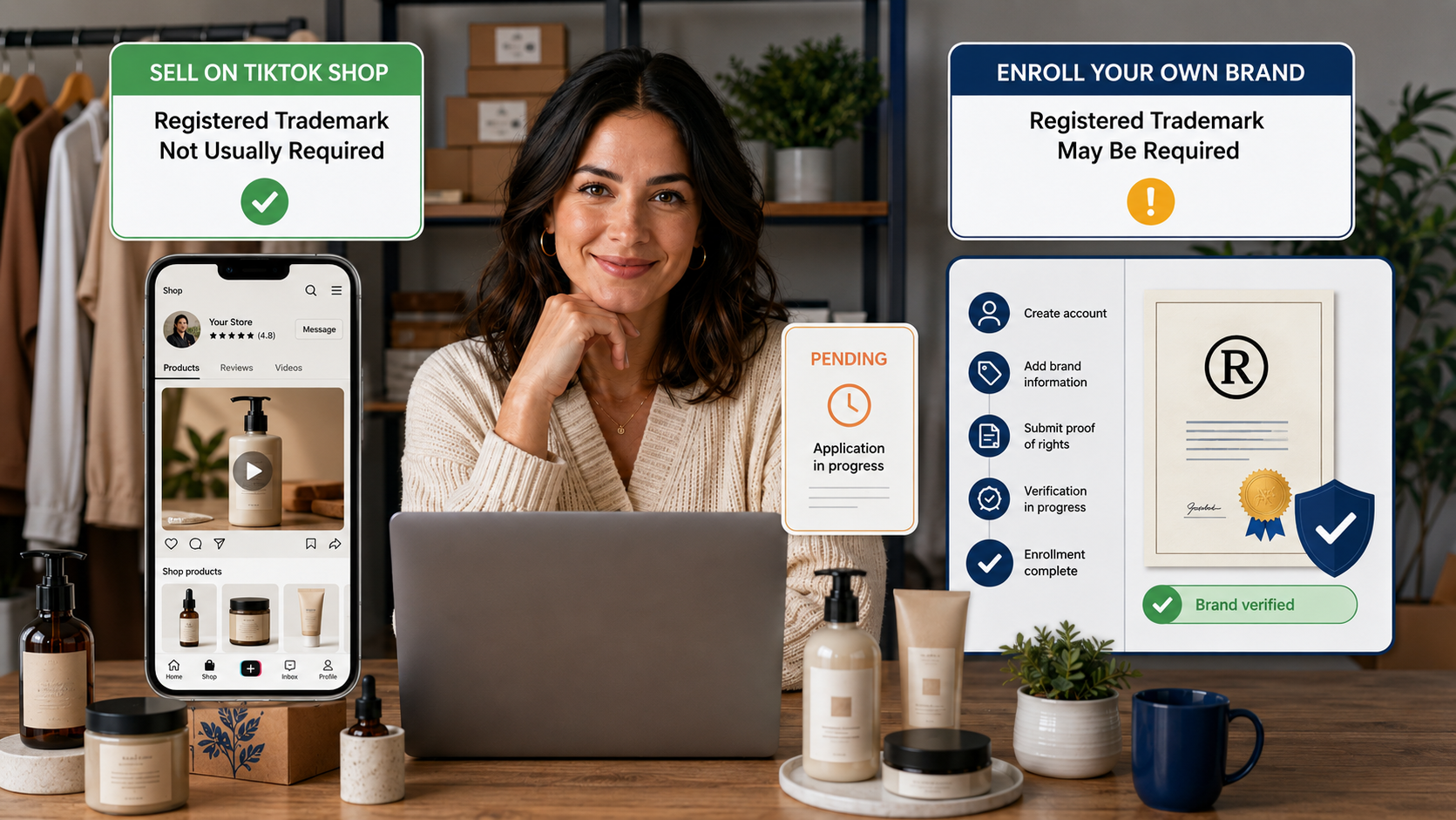
Do You Need a Trademark for TikTok Shop? Selling vs. Brand Enrollment
If you're starting a TikTok Shop, do you need to register your trademark first? Usually, no. You can sell eligible product
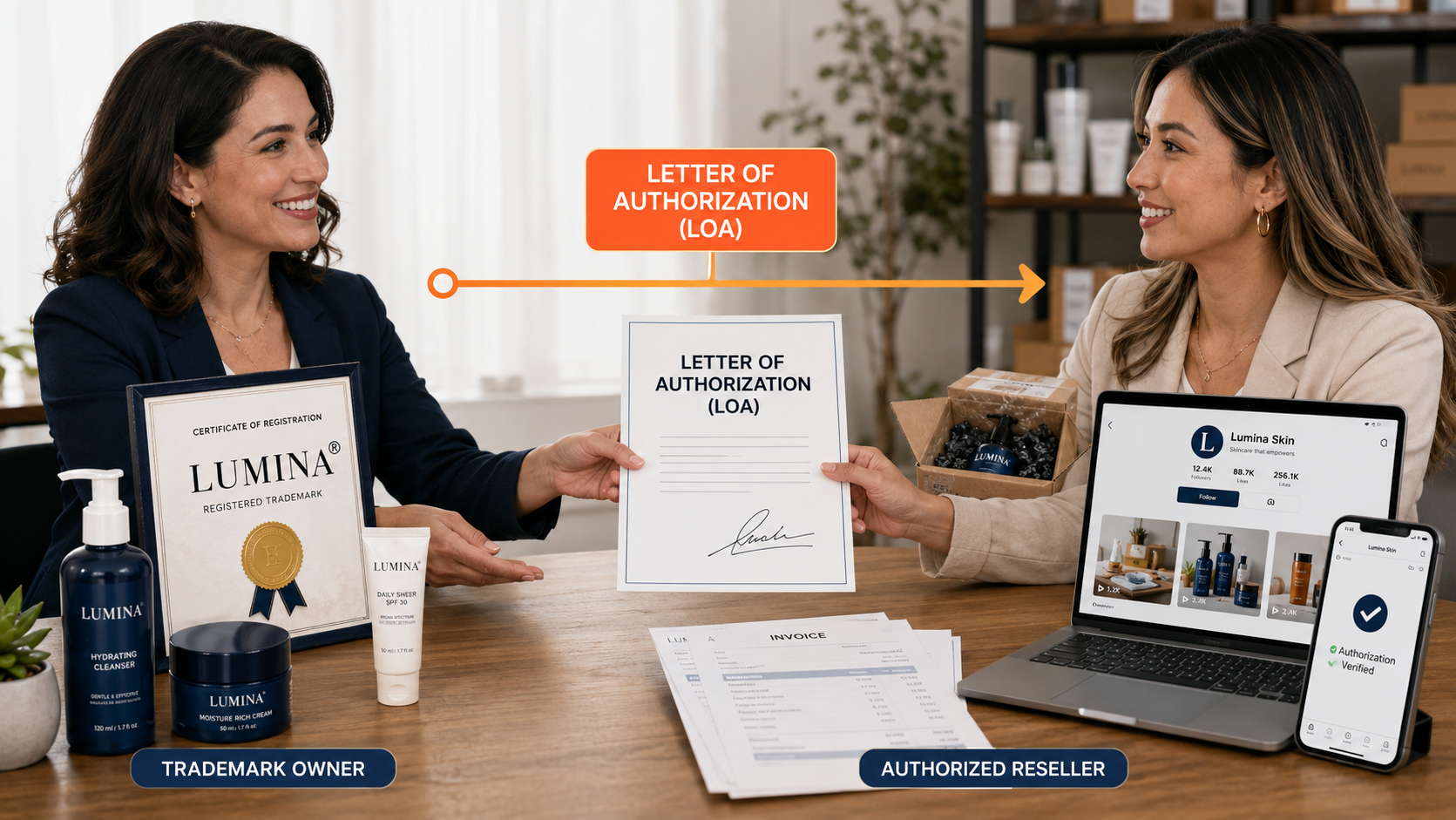
TikTok Shop Brand Authorization: Trademark Owners, Resellers and LOAs Explained
If you're starting a TikTok Shop, do you need to register your trademark first? Usually, no. You can sell eligible product

State vs. Federal Trademark Registration: Which One Does Your Business Need?
When starting a business in the United States, you may discover that trademarks can be registered at both the state and feder

How Tech Startups Should Plan Trademark Protection for International Growth
A technology startup can become international remarkably quickly. A Canadian SaaS company can acquire U.S. customers without