


Can Two Companies Have the Same Trademark Name?
Someone checks a brand name online and suddenly finds another company using something very similar. Maybe the name appears on Instagram. Maybe there’s a company in another country using it. Maybe several businesses seem to be using nearly identical branding. The natural reaction is usually: “Wait… can two companies actually have the same trademark?”
Sometimes, yes.
But trademark law is not as simple as “first person to use the name wins” or “I found it online, so it must be available.”
One of the biggest misunderstandings we see is the belief that owning a trademark means owning a word for absolutely everything. That is usually not how trademarks work. Trademark rights are often connected to what the business actually does: its products, services, customers, and market.
For example, imagine one company sells clothing and another provides plumbing services. Could they sometimes use the same name? Potentially, yes. Most consumers are unlikely to assume their plumber suddenly launched a fashion line.
Trademark law often comes back to one practical question: would customers likely believe the businesses are connected? When the answer is no, coexistence may sometimes be possible. But things become much trickier when businesses operate in similar spaces.
Imagine two online watch brands targeting similar customers while using very similar names. Now you have a different problem. Customers may believe the companies are related, assume the products come from the same source, or think one business is copying the other. That is exactly the type of situation where trademark disputes, refusals, and legal headaches tend to appear.
Another point people often miss is that trademark conflicts are not limited to exact matches. You do not necessarily avoid trouble by changing one letter, adding a word, adjusting spacing, or slightly modifying the spelling.
Names that sound similar, look similar, mean similar things, or create a similar commercial impression can still raise concerns. We see this misunderstanding fairly often. A business owner checks the exact wording in a trademark database, does not find a perfect match, and assumes the name is available. Unfortunately, trademark analysis is usually more nuanced than that.
What about businesses in different countries? That adds another layer.
Trademark rights are generally territorial. A registration in one country does not automatically protect a brand everywhere else. So yes, in some situations, similar or even identical trademarks may exist in different countries.
However, international growth can complicate things quickly. A brand that starts locally may later expand through e-commerce, Amazon, distributors, online advertising, or international marketplaces. Suddenly, markets begin overlapping, and trademark issues that once seemed irrelevant become very relevant.
This is one reason growing companies often look at trademark protection in multiple jurisdictions.
Another common mistake is relying only on quick online checks. Many business owners look at domain availability, Instagram handles, company registries, or social media accounts. Those searches can be useful, but they do not tell the whole story. A name can appear “available” online and still create trademark risk behind the scenes.
That is why proper trademark searching usually looks deeper at existing registrations, pending applications, similar marks, industry overlap, and potential conflict areas before a filing strategy is built.
And yes, conflicts can become expensive.
If two similar businesses use confusingly similar names, the consequences may range from a trademark refusal to cease-and-desist letters, marketplace complaints, legal disputes, or forced rebranding. Unfortunately, many businesses only discover these problems after investing heavily in websites, packaging, advertising, and brand development. By that point, changing direction becomes much harder.
So, can two companies have the same trademark name?
Sometimes they can. But the answer depends on several moving pieces: what the businesses sell, who their customers are, where they operate, whether consumers may be confused, and what trademark rights already exist.
Trademark law is usually more complicated than simply checking whether a name appears online.
Before investing heavily into a new brand, it is often worth understanding the trademark landscape first.
Need help checking your brand?
At Trademark Angel, we help business owners protect their brands through trademark registration and FREE trademark search services.
Before launching a new brand or filing a trademark application, it can be helpful to understand whether your proposed name may create avoidable risks down the road.
Related Posts
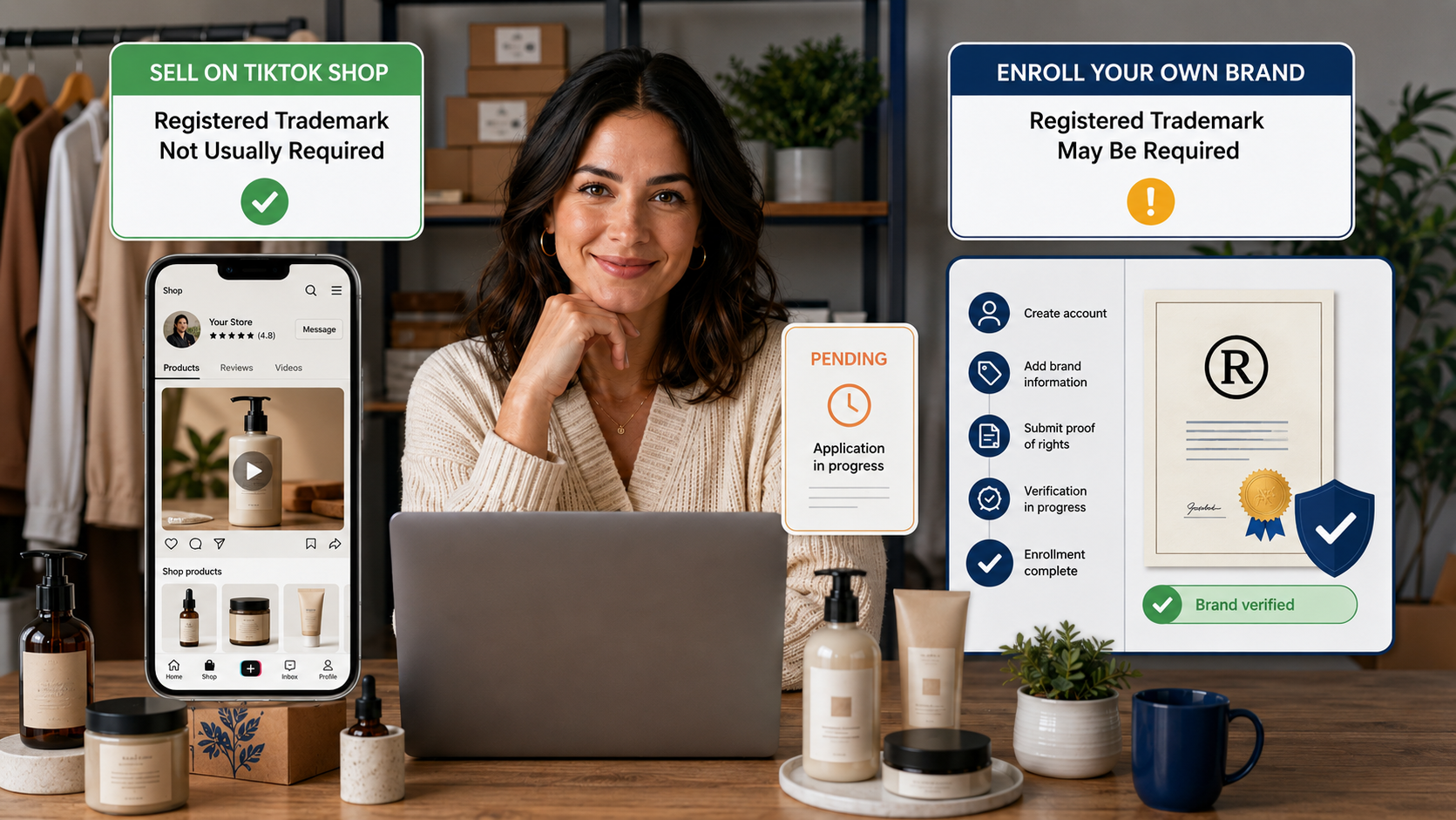
Do You Need a Trademark for TikTok Shop? Selling vs. Brand Enrollment
If you're starting a TikTok Shop, do you need to register your trademark first? Usually, no. You can sell eligible product
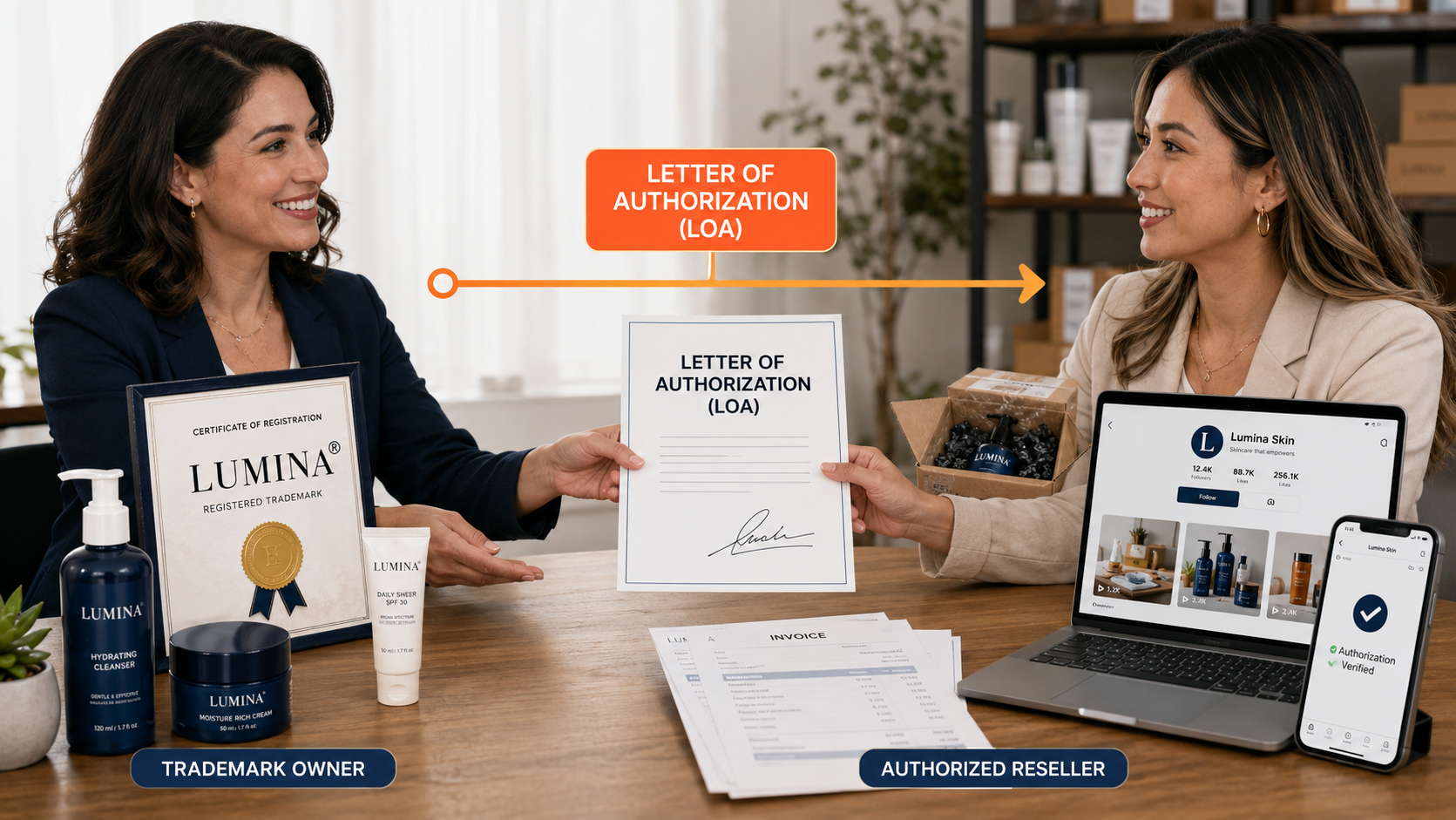
TikTok Shop Brand Authorization: Trademark Owners, Resellers and LOAs Explained
If you're starting a TikTok Shop, do you need to register your trademark first? Usually, no. You can sell eligible product

Is My Business Name Available to Trademark? How to Check Before You File
You have chosen a business name. Maybe you have already purchased the domain, created a logo, or started building your brand.
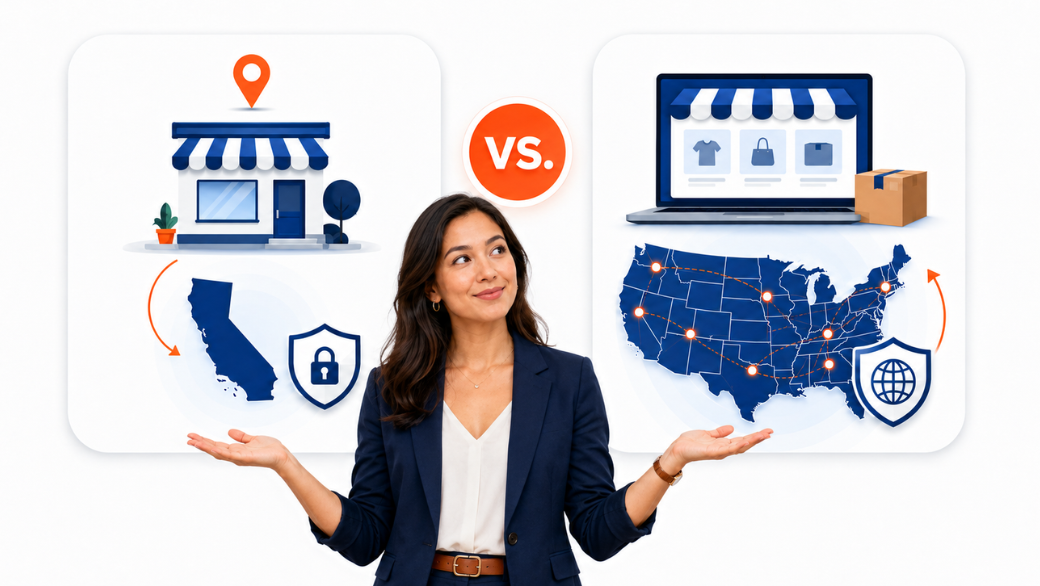
State vs. Federal Trademark Registration: Which One Does Your Business Need?
When starting a business in the United States, you may discover that trademarks can be registered at both the state and feder