

What Happens If You Don’t Trademark Your Brand?
Many business owners believe trademark registration can wait.
And honestly, that thinking is understandable. When you are building a business, trademark protection is rarely the most urgent problem on your desk. You are busy launching products, building a website, figuring out marketing, managing cash flow, dealing with customers, and trying to grow without losing your mind in the process. Legal protection often feels like something you will “get around to later.”
The issue is that many businesses grow first and only later discover that their brand name may not be as secure as they assumed.
One of the biggest risks is surprisingly simple: someone else may trademark the name first.
This happens more often than many founders expect. You may already be selling products, building a customer base, investing in advertising, and using the brand publicly for months or even years. From the business owner’s perspective, the name already feels established and unquestionably theirs. But trademark rights do not always work according to effort, emotion, or how long you have been emotionally attached to a brand.
If another business already has rights in a similar name, things can get complicated surprisingly fast. Maybe they filed a trademark application before you. Maybe they were simply using the brand in business earlier and built rights (called common law rights) before you even knew they existed.
In real life, this does not usually begin with dramatic lawsuits. More often, it shows up as an uncomfortable email, a warning letter, a marketplace complaint, account problems, or pressure to stop using the name.
And this is the part many founders do not expect: having the domain name, the Instagram handle, or the Facebook page does not automatically mean you legally own the brand.
Now imagine discovering this after spending several years building your business.
By that stage, the brand is no longer just a name typed into a logo generator. It is your website, packaging, customer reviews, marketing campaigns, product listings, printed materials, and reputation. A forced name change may mean redesigning your logo, updating your website, changing labels and packaging, revising social media accounts, reprinting materials, and explaining the change to customers who have known you under a different identity.
That is not simply inconvenient. For many entrepreneurs, it is deeply frustrating.
People sometimes underestimate how personal branding becomes once a business starts growing. Founders pour money into it, but they also pour years of work, stress, late nights, and personal identity into it. Starting over under a different name is not just a technical legal adjustment. It can feel like rebuilding a large part of the business from scratch.
We also see business owners underestimate how messy customer confusion can become.
It is not always about blatant copying. Sometimes another company adopts a name, logo, or overall branding style that is simply close enough to create questions.
Customers may assume the businesses are related when they are not. In some cases, they may even blame you for products, reviews, or experiences that have nothing to do with your company.
That kind of confusion can be frustrating to untangle.
For Amazon sellers and e-commerce businesses, the issue often becomes more visible because brands can gain traction quickly online, and unwanted look-alikes sometimes follow close behind.
Many experienced Amazon sellers pursue trademark protection relatively early because online growth can attract problems very quickly. Once a product gains visibility, issues such as copycats, counterfeit concerns, listing interference, unauthorized sellers, and brand control problems can appear much faster than newer sellers expect. A trademark is not a magic shield against every online problem, but for many growing brands it becomes an important part of protecting what they are building.
Trademark protection can also become increasingly relevant as a business matures.
If you eventually hope to attract investors, enter partnerships, expand internationally, license your brand, or sell the company one day, your business name becomes more than a marketing tool. It becomes a business asset. And when that asset lacks clear legal protection, some investors, buyers, or partners may view that as an avoidable risk sitting quietly in the background.
Perhaps the hardest reality is this: some entrepreneurs spend years building something they never fully protected.
By the time trademark issues surface, substantial money has already been invested, customers already recognize the name, and changing direction becomes dramatically more painful than it would have been earlier in the process. That is one reason many businesses choose to think about trademark protection sooner rather than later.
Your brand is not just a name.
It represents your work, your time, your investment, your reputation, and often your future plans for the business. And in today’s online environment, protecting it early is usually much easier than trying to untangle a large problem later.
Need Help Checking Your Brand?
At Trademark Angel, we help business owners protect their brands through trademark registration and FREE Trademark Search services.
Before investing further into your business, it can be helpful to understand whether your proposed brand name appears reasonably safe to use and protect.
Related Posts
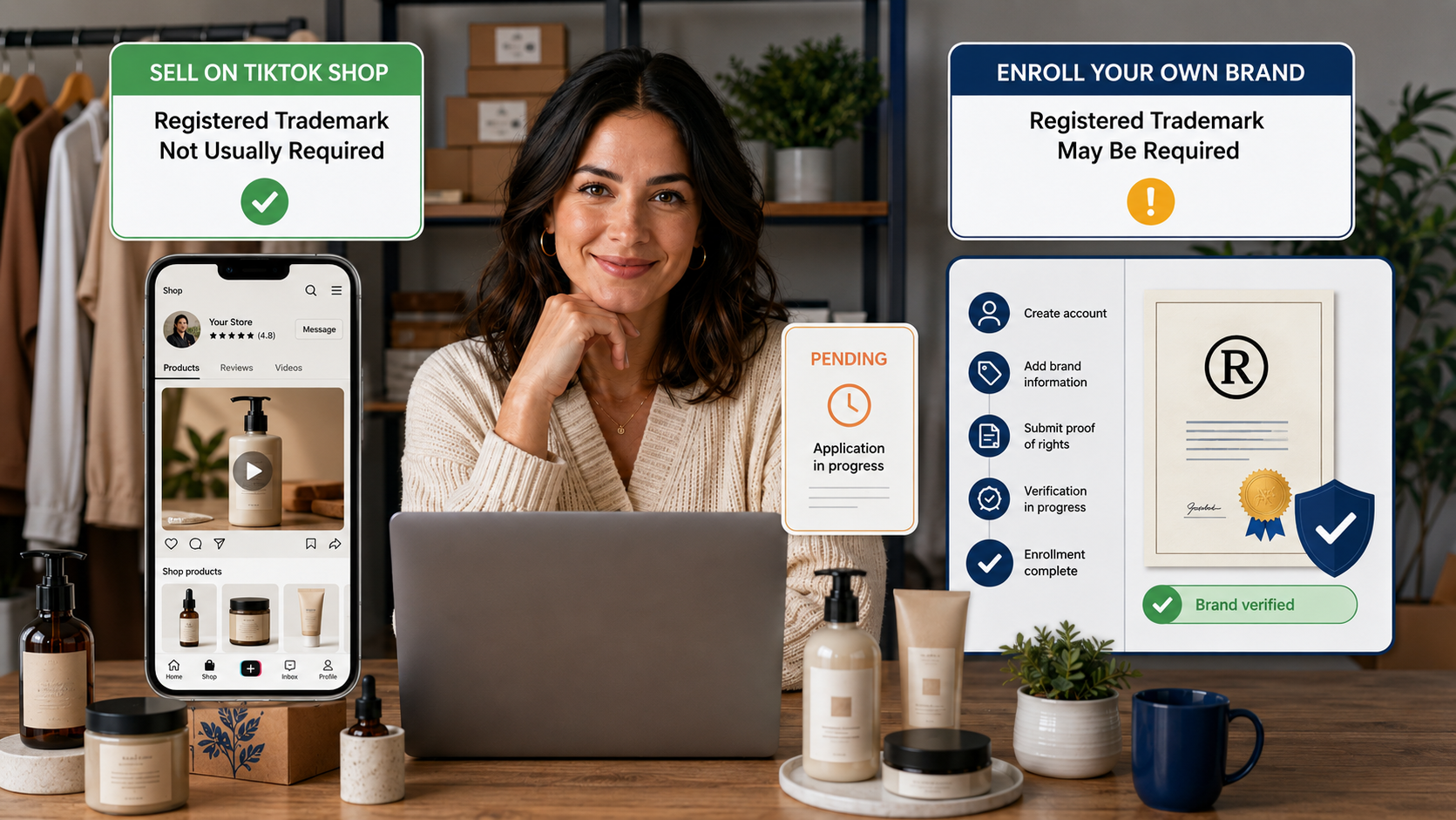
Do You Need a Trademark for TikTok Shop? Selling vs. Brand Enrollment
If you're starting a TikTok Shop, do you need to register your trademark first? Usually, no. You can sell eligible product
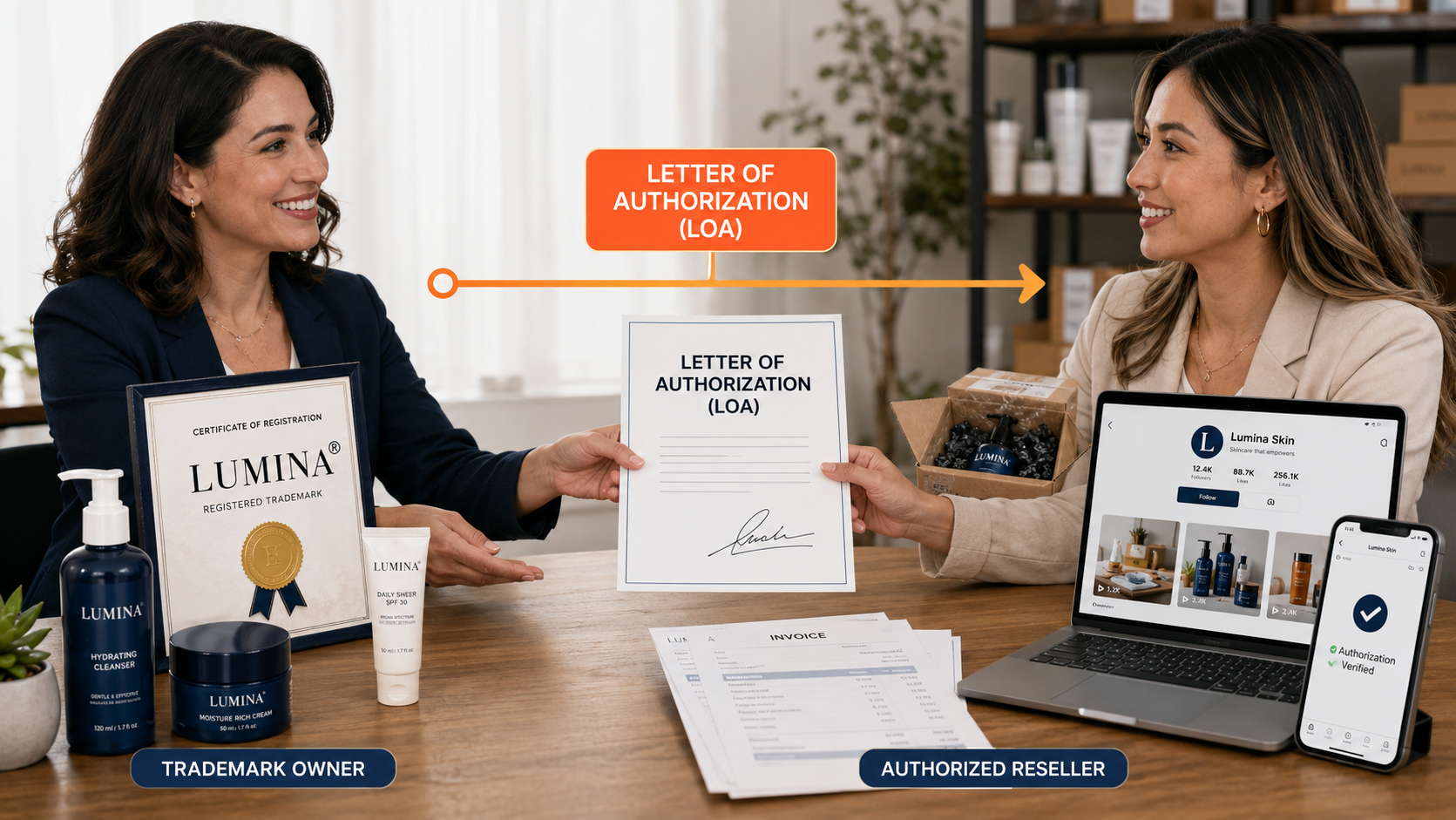
TikTok Shop Brand Authorization: Trademark Owners, Resellers and LOAs Explained
If you're starting a TikTok Shop, do you need to register your trademark first? Usually, no. You can sell eligible product

Is My Business Name Available to Trademark? How to Check Before You File
You have chosen a business name. Maybe you have already purchased the domain, created a logo, or started building your brand.
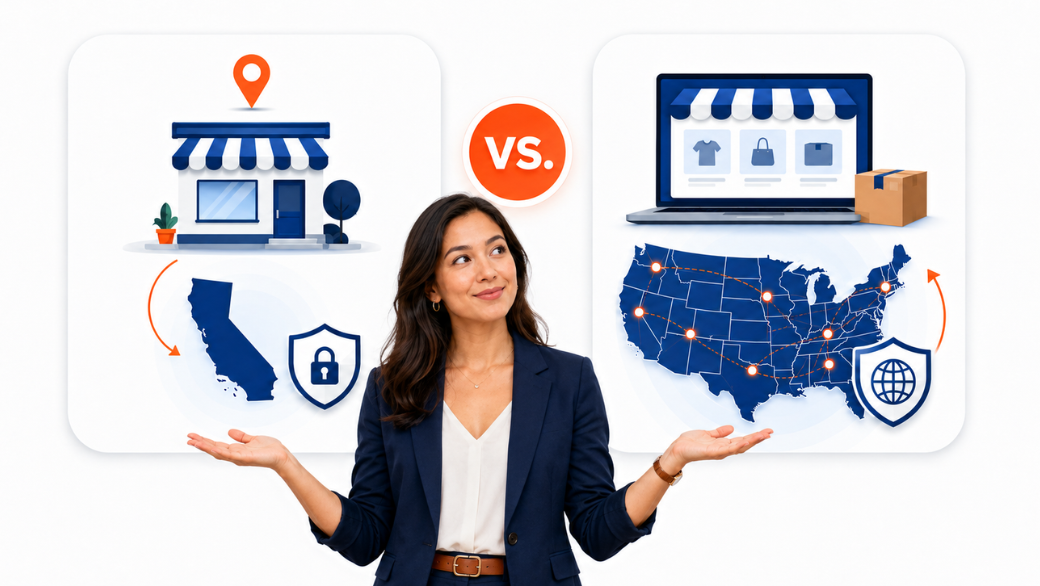
State vs. Federal Trademark Registration: Which One Does Your Business Need?
When starting a business in the United States, you may discover that trademarks can be registered at both the state and feder