

The Hidden Cost of Cheap Trademark Filing Services: What Business Owners Should Know
When you’re building a business, saving money matters. So when one trademark filing service advertises a surprisingly low price while another costs considerably more, choosing the cheaper option can seem like an easy decision.
But trademark registration isn’t simply about submitting a form. Your application contains important information about your brand, its owner, the products or services connected to it, and how the trademark is being used or will be used.
If an application is poorly prepared or improperly filed, the money you save upfront may eventually cost you more. Mistakes can lead to delays, refusals, additional expenses, and, in serious cases involving improper filing practices, sanctions or termination of an application.
Instead of asking, “How cheaply can I file my trademark?”, business owners should also be asking, “Is my trademark application being handled correctly?”
Cheap Doesn’t Automatically Mean Bad
A low price doesn’t automatically mean that a trademark service is illegitimate. There are legitimate providers offering affordable trademark services, and businesses naturally want to control their costs.
The concern is what you’re actually receiving for that low price. Problems can arise when an extremely cheap filing service cuts corners on important steps such as trademark searching, accurate preparation of application information, proper legal representation where required, or compliance with USPTO rules.
The initial filing price is therefore only one part of the cost of protecting your trademark. A cheap application isn’t much of a bargain if you later need to spend additional money correcting avoidable mistakes—or, in some situations, starting the filing process again.
What Can Go Wrong With a Poorly Handled Trademark Application?
A trademark application contains information that can have legal consequences. The correct trademark owner must be identified, the goods or services must be properly described, the appropriate filing basis must be selected, and all other required information needs to be provided accurately. Depending on the application, acceptable evidence showing actual use of the trademark may also be required.
The risks become more serious when questionable filing practices are involved. The USPTO has identified problems involving improper or unauthorized signatures, false owner or domicile information, fraudulent or digitally manipulated specimens, unauthorized practice of law, improper use of attorney identities or credentials, and false claims concerning goods or services.
These aren’t simply minor administrative issues. Improper filing practices can potentially result in sanctions, restrictions on filing accounts, documents being disregarded, or termination of affected trademark applications or registrations.
In May 2026, the USPTO reported that during the previous six months it had issued 11 administrative orders targeting approximately 10,500 trademark applications and registrations as part of its efforts to combat fraudulent and improper filings.
For business owners, the lesson is simple: who handles your trademark application matters just as much as how much you pay to file it.
Be Careful About Who Is Actually Filing Your Trademark
Before choosing a trademark service, there’s an important question worth asking: Who is actually handling my application?
A professional-looking website doesn’t necessarily tell you who is preparing or submitting the filing behind the scenes. The USPTO has warned about situations involving improper use of U.S.-licensed attorneys’ names and credentials. In some cases, attorney information may be used without authorization. In other situations, an attorney may have limited involvement while another company effectively handles the filing.
This issue is particularly important for businesses located outside the United States. Foreign-domiciled trademark applicants, including Canadian applicants seeking U.S. trademark registration, generally need to be represented before the USPTO by a U.S.-licensed attorney.
Attempts to get around these requirements using false addresses, unauthorized attorney credentials, or other improper arrangements could put an application at risk. That’s another reason businesses should understand not only what they’re paying for, but also who is responsible for their application.
Warning Signs Worth Investigating
There are several signs that should encourage you to investigate a trademark service more carefully before paying.
Be cautious if a provider makes trademark registration sound guaranteed, refuses to clearly explain who will handle your application, or doesn’t explain what’s actually included in the advertised price. You should also pay attention if you’re pressured to make an immediate payment, given little opportunity to review important application information, asked to use questionable signing arrangements, or told that the provider has a special affiliation with or endorsement from the USPTO.
No legitimate provider can promise that every trademark application will be approved. Trademark offices examine applications independently, and the outcome can depend on many factors, including existing trademarks, descriptiveness, the accuracy of the application, and whether the filing complies with applicable requirements.
A reputable service should help you understand the process rather than make trademark registration sound like a guaranteed purchase.
The Cheapest Filing Can Become the Expensive Option
Imagine spending months building your brand. You’ve invested in a website, logo, packaging, advertising, inventory, social media, and customer acquisition. Your brand is finally gaining momentum.
Then you discover there’s a serious problem with your trademark application.
Perhaps an earlier trademark creates a conflict that should have been investigated before filing. Maybe the wrong owner was identified. Perhaps the goods or services weren’t properly described, or another issue exists with the application itself.
Suddenly, the money you saved by choosing the cheapest filing option doesn’t seem like much of a saving. You’re now spending additional time and money trying to correct a problem that might have been avoided with a better process from the beginning.
That’s why professional trademark assistance shouldn’t be evaluated solely on the price of submitting an application. You’re also paying for the process surrounding that application—the search, preparation, guidance, accuracy, and support that can help reduce avoidable problems.
Search Before You File
One of the most important parts of trademark protection actually happens before the application is filed.
A trademark search can help identify existing trademarks that could potentially create problems for your proposed brand. It doesn’t guarantee that your application will ultimately be approved, but it can give you valuable information before you invest further in filing and building the brand.
Finding a potential conflict before filing gives you options. You may be able to reconsider the name, investigate the potential conflict further, adjust your strategy, or make a more informed decision about whether to proceed.
Finding the same problem after you’ve already invested heavily in branding, packaging, advertising, inventory, and customer acquisition can be much more difficult and expensive.
That’s why Trademark Angel encourages business owners to Know Before You File.
Start With Trademark Angel’s FREE Trademark Search
At Trademark Angel, we help entrepreneurs, startups, Amazon sellers, e-commerce businesses, and established companies take a more informed approach to protecting the brands they’re building.
Our FREE Trademark Search gives you a practical starting point before moving forward with trademark registration. Instead of immediately paying to file an application, you can first get a better understanding of whether your proposed trademark may face obvious conflicts.
And when you’re ready to proceed, Trademark Angel can help you navigate the trademark registration process—from preparing your application to helping you through the steps that follow.
Protecting your brand shouldn’t begin with finding the cheapest trademark filing form online. It should begin with understanding what you’re protecting, identifying potential risks, and making an informed decision before you file.
Know Before You File.
Start your FREE Trademark Search with Trademark Angel today.
Related Posts

Trademark Protection for Tech Startups
If your tech company has just raised funding, it's worth checking the brand name before putting more money into promoting it.

Do You Need a Trademark for TikTok Shop? Selling vs. Brand Enrollment
If you're starting a TikTok Shop, do you need to register your trademark first? Usually, no. You can sell eligible product
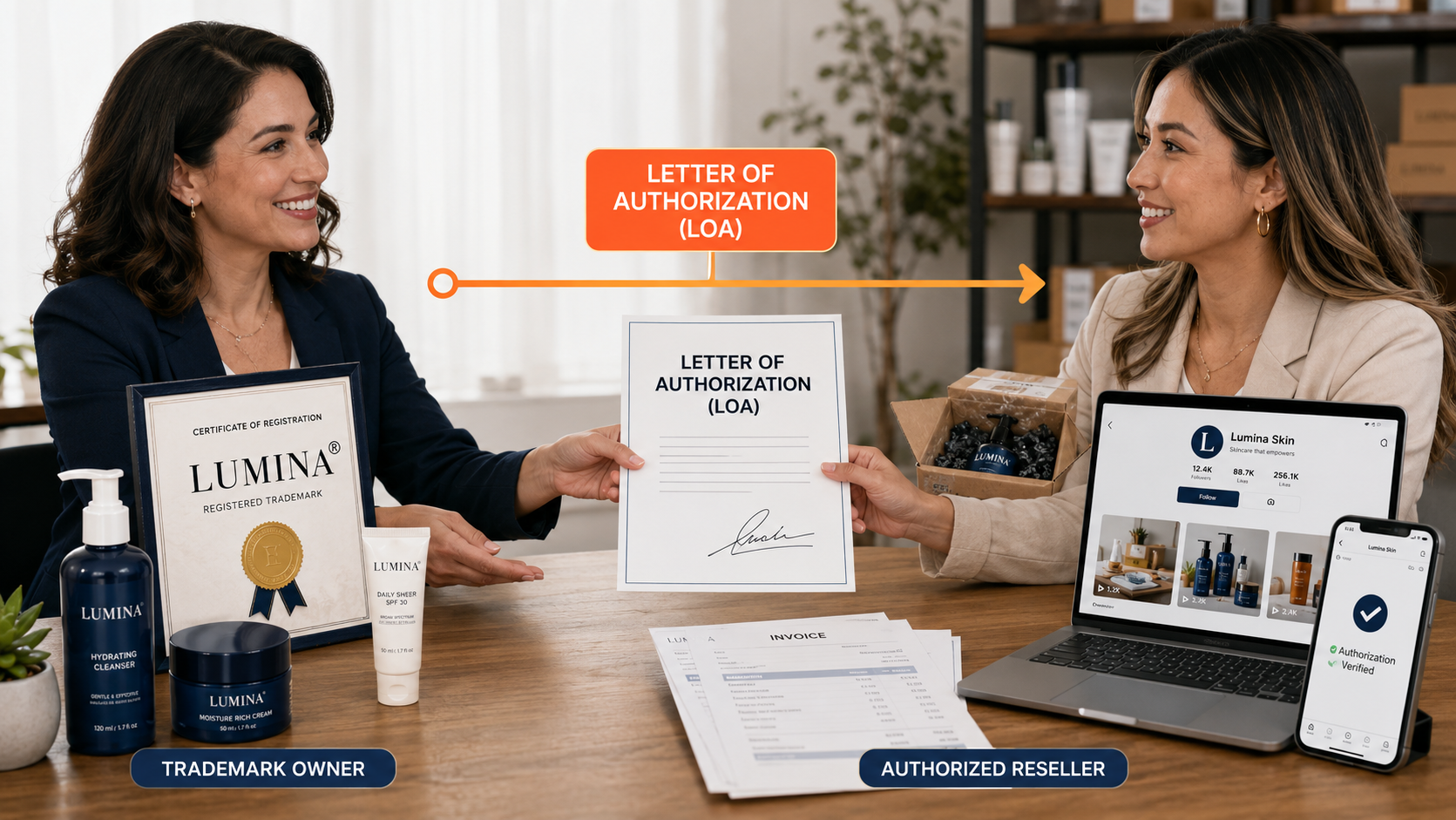
TikTok Shop Brand Authorization: Trademark Owners, Resellers and LOAs Explained
If you're starting a TikTok Shop, do you need to register your trademark first? Usually, no. You can sell eligible product

Is My Business Name Available to Trademark? How to Check Before You File
You have chosen a business name. Maybe you have already purchased the domain, created a logo, or started building your brand.