
How to Protect Your Tech Startup’s Brand Name Before You Launch
Launching a tech startup involves hundreds of decisions. You need to develop the product, test the market, build a website, attract customers, and perhaps raise investment.
But trademark protection for your startup should not be left until after launch.
By the time you discover that another company has earlier rights to a similar name, your brand may already appear on your website, software, app-store listing, advertising, social media accounts, and investor presentations.
Before building a business around a name, make sure it is a name you can legally use and protect.
Registering a Company Does Not Give You Trademark Rights
Registering a corporation, purchasing a domain name, securing social media usernames, and registering a trademark are different things.
A company registration allows the business to operate under a particular legal name. A domain registration gives you control over a web address. Neither necessarily means that the name is legally available as a trademark.
Another company may already have earlier trademark rights to an identical or confusingly similar name for related products or services.
That is why, before you trademark your company name or invest heavily in branding, it is important to investigate whether someone else may have earlier rights.
Why Tech Startups Face Greater Naming Risks
Technology businesses can expand unusually quickly.
A Canadian SaaS company may attract American customers almost immediately. An app can become available internationally from the moment it launches.
Trademark rights, however, are generally territorial. A Canadian trademark registration does not automatically protect your startup in the United States or elsewhere, and a U.S. registration does not automatically provide protection in Canada or other countries.
Technology is also a crowded naming environment. AI, SaaS, fintech, cybersecurity, digital health, and e-commerce companies often favour short, modern names.
A name that sounds original during a brainstorming session may already be registered or used by another company in a related industry.
Even major companies encounter these problems. The trademark dispute involving OpenAI’s “io” venture and AI hardware company iyO resulted in court restrictions concerning use of the io name while the underlying dispute continued.
The lesson for startups is simple: sophisticated investors, prominent founders, and substantial financial resources do not eliminate trademark risk.
Choose a Name That Can Be Protected
Not every business name is equally strong as a trademark.
Highly descriptive names can be difficult to register and enforce. For example, FAST ACCOUNTING SOFTWARE immediately tells customers what the product does, but that also makes it a weak trademark.
Distinctive names generally receive stronger protection.
An invented word can be highly distinctive. An ordinary word can also make a strong trademark when used in an unexpected way. Suggestive names can hint at a characteristic or benefit without directly describing the product.
Generic terminology cannot function as a trademark for the products or services it describes.
Ideally, your startup name should be distinctive, memorable, flexible enough for future growth, and sufficiently different from existing brands offering related products or services.
How to Check Trademark Availability Before You Launch
A Google search is a useful starting point, but it is not enough.
Even conducting a trademark name search for the exact name in an official trademark database may give you a false sense of security.
Trademark conflicts are not limited to identical words.
Two trademarks may potentially conflict because they look similar, sound similar, have related meanings, or create a similar overall commercial impression.
For example, searching only for FINOVO could overlook FYNOVO, FINNOVA, or other similar marks covering related financial products or services.
If you want to conduct preliminary research yourself, our guide to the best free trademark search tools explains the major databases available in the United States, Canada, the European Union, and other jurisdictions.
However, a DIY search should not be confused with a comprehensive professional trademark search.
Trademark Angel’s Free Initial Trademark Search and Assessment provides a free trademark search for obvious potential conflicts and helps determine whether your proposed name appears suitable for moving forward.
This initial check is not a substitute for a comprehensive search. When you purchase one of our trademark registration packages, we conduct a comprehensive trademark search using professional search software before proceeding with the application.
Search Before the Brand Becomes Expensive to Change
The safest sequence is:
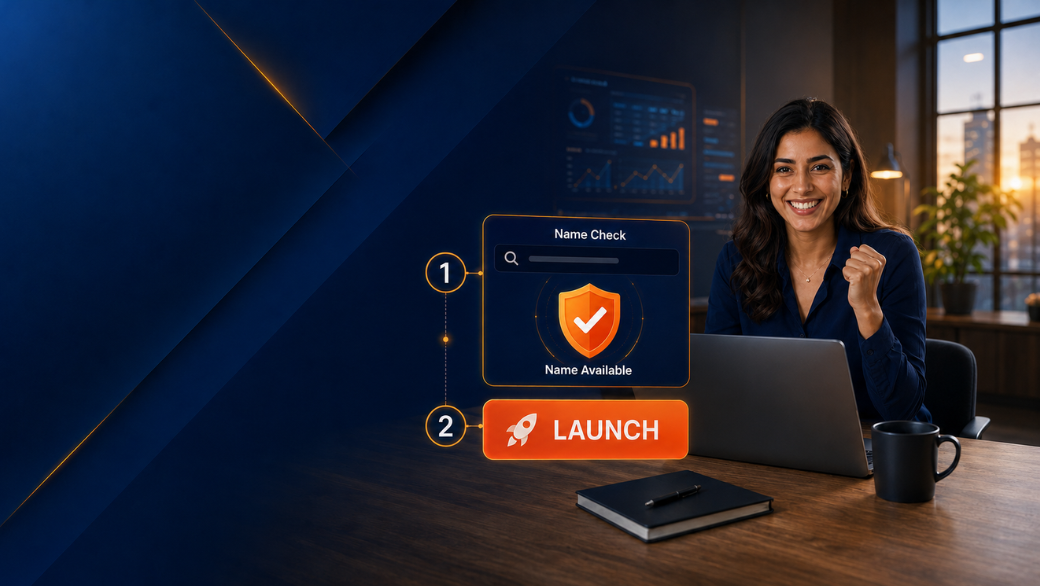
Choose the name → check trademark availability → purchase the domain name → assess the risks → file when appropriate → invest heavily in the brand.
Once a proposed name looks promising, it is usually sensible to secure the matching domain name early. Domain registration is relatively inexpensive, and waiting can lead to unnecessary disappointment if someone else purchases the domain while you are still developing the brand.
That said, buying a domain does not mean the name is legally available as a trademark. The domain should be treated as one part of the branding process—not as a substitute for a trademark search.
Unfortunately, startups often do things in the wrong order. They build the website, announce the company, acquire customers, and only then investigate whether the name is legally available.
At that point, rebranding can become much more expensive.
Startups also do not necessarily have to wait until launch before filing.
In the United States, an Intent-to-Use trademark application may allow a company with a genuine intention to use the mark to begin the federal trademark process before commercial use starts.
Canada does not require a trademark to be in use before an application is filed or before it proceeds to registration. If Canada is an important market, founders can therefore consider Canadian trademark registration at an early stage as well.
Early trademark planning cannot guarantee startup success. It can, however, help prevent the very avoidable problem of building a successful product around a name you cannot keep.
Early trademark planning cannot guarantee startup success. It can, however, help prevent the very avoidable problem of building a successful product around a name you cannot keep.
Check Your Startup Name Before You Launch
Already have a name in mind?
Start with TRADEMARK ANGEL Free Initial Trademark Search and Assessment before investing further in your brand.
Related Posts
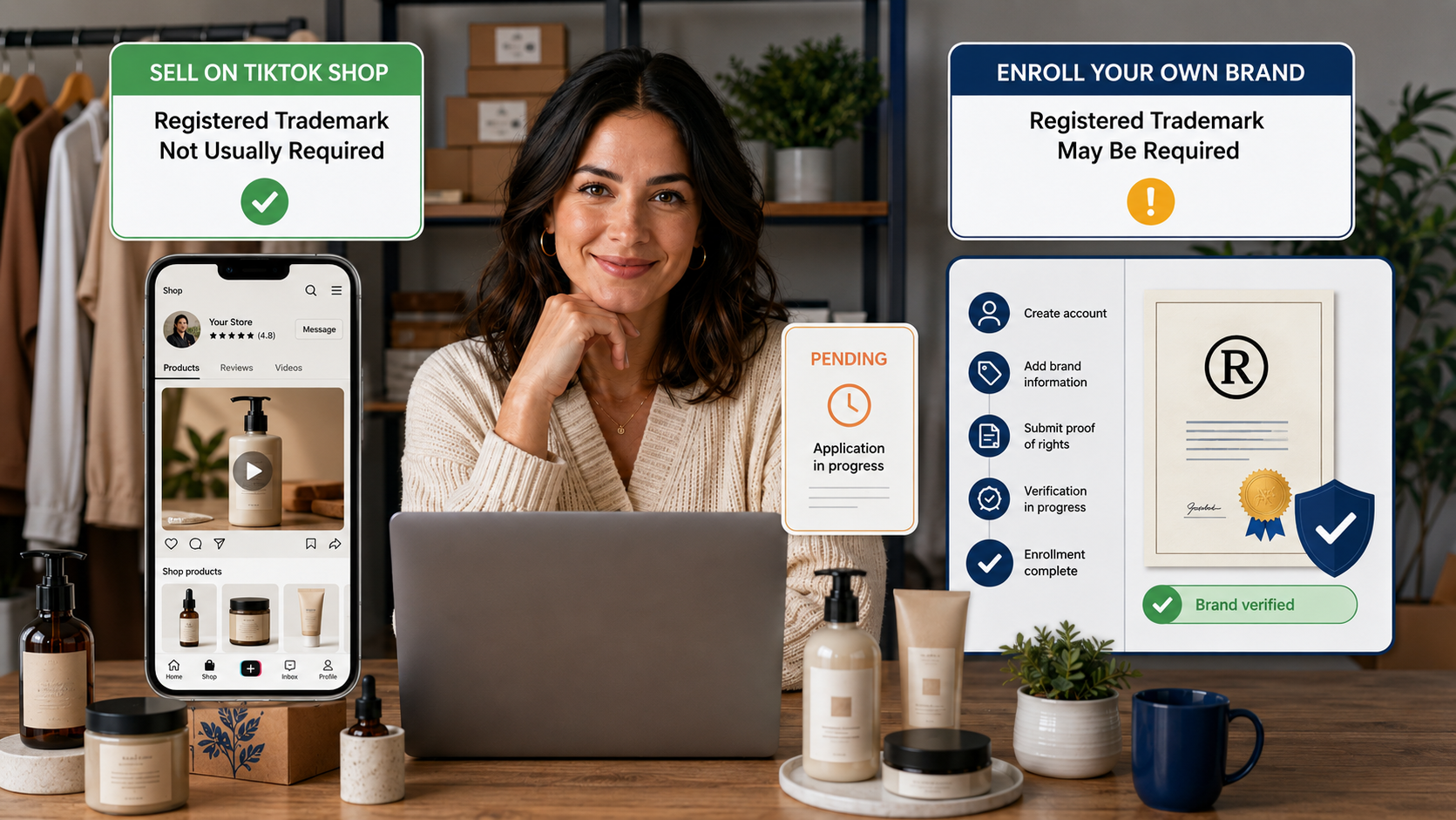
Do You Need a Trademark for TikTok Shop? Selling vs. Brand Enrollment
If you're starting a TikTok Shop, do you need to register your trademark first? Usually, no. You can sell eligible product
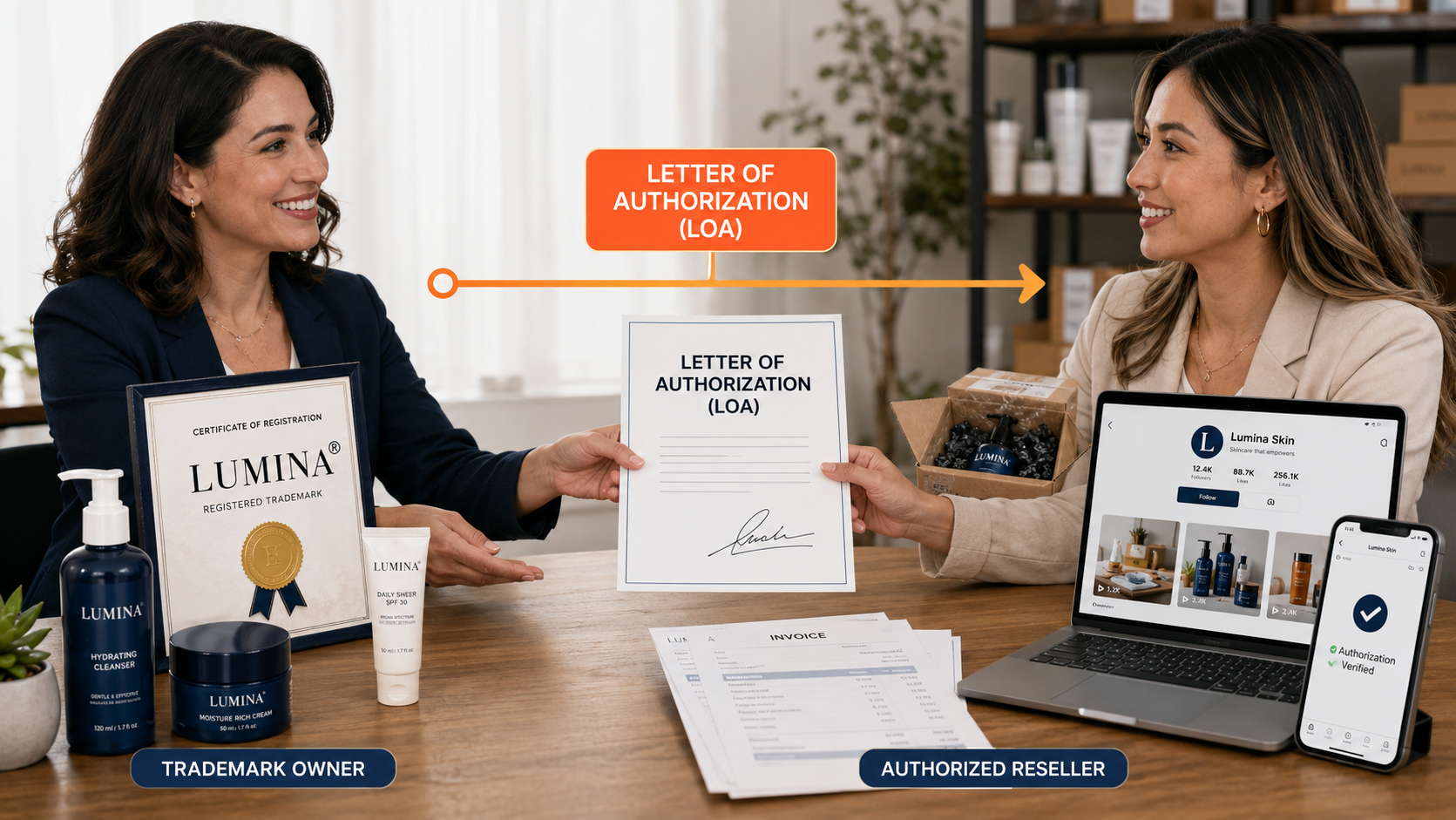
TikTok Shop Brand Authorization: Trademark Owners, Resellers and LOAs Explained
If you're starting a TikTok Shop, do you need to register your trademark first? Usually, no. You can sell eligible product

Is My Business Name Available to Trademark? How to Check Before You File
You have chosen a business name. Maybe you have already purchased the domain, created a logo, or started building your brand.

State vs. Federal Trademark Registration: Which One Does Your Business Need?
When starting a business in the United States, you may discover that trademarks can be registered at both the state and feder