
The Best Free Trademark Search Tools of 2026: A Comprehensive Review
Most people start the same way: they open Google (or ChatGPT), type their brand name, see nothing alarming, and assume they’re safe.
Then someone says, “Did you do a trademark search?” and suddenly you’re staring at a government database that feels like it was designed during the dial-up era.
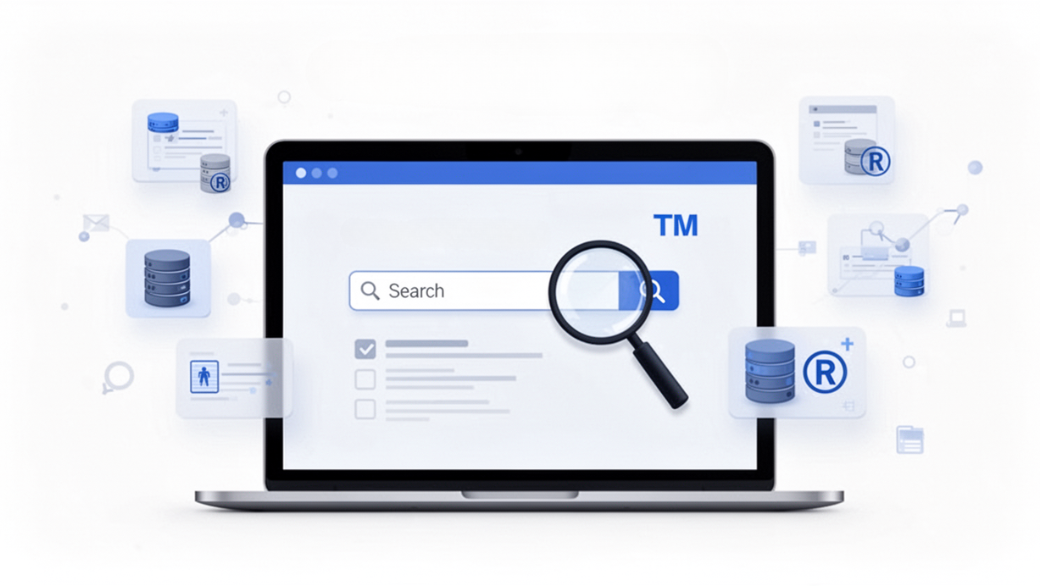
Here’s the truth from the trenches: a free trademark search is useful, but it’s often misunderstood. These tools show you what’s already been filed or registered. They do not tell you whether your name is smart, strong, or likely to be approved. That part still requires judgment.
Below is a practical review of the best free tools in 2026, plus a simple workflow for choosing a stronger name before you fall in love with it.
What “Free Trademark Search” really means (and what it doesn’t)
A free database search usually answers one narrow question:
Is there an identical or very similar trademark already in the official register?
That’s it.
It does not automatically mean:
- Your mark is registrable
- Your mark is distinctive (strong)
- You won’t get an examiner’s refusal
- You won’t face opposition
- You’ll be able to enforce it later
Even the best free tools show records, not risk.
The best free trademark databases in 2026
1) USPTO Trademark Search (United States)
If you’re planning to file in the U.S., the USPTO’s official database is non-negotiable. In recent years, the USPTO transitioned away from the older TESS tool and moved to its cloud-based Trademark Search system.
Why it’s useful
- It’s the source of truth for U.S. federal applications and registrations.
- It helps you spot obvious conflicts early.
Where people get burned
- Similar-sounding names, spelling variations, and “same idea” marks are easy to miss if you don’t already know what to look for.
- A search that looks “clear” can still lead to an expensive refusal.
Think of it as a metal detector, not an X-ray.
2) CIPO Trademark Search (Canada)
Canada’s official database (CIPO) is a solid free tool for Canadian checks.
Why it’s useful
Clean, straightforward access to Canadian trademark records.
Helpful for eliminating obviously unavailable names.
Where people get burned
Descriptive marks and borderline names often look “fine” in the database, then fail during examination.
French/English realities in Canada can create surprises, even when your search feels thorough.
3) TMview and EUIPO eSearch (European Union and beyond)
If you’re dealing with Europe, TMview is one of the most practical free tools because it pulls data from EU national offices, EUIPO, and many non-EU offices.
Why it’s useful
- Broad coverage in one place.
- Good for early screening when you’re considering EU expansion.
Limitations
- It’s still a database: it won’t “warn” you about trademark law risk. You still have to interpret what you see.
4) UKIPO “Search for a trade mark” (United Kingdom)
For the UK, the official UKIPO search is the place to check what exists on the UK register.
Why it’s useful
- Direct access to UK trademark records.
- Helpful when you’re deciding whether a UK filing is viable.
Limitations
- Like every free tool, it’s not a substitute for legal analysis on confusion risk.
5) WIPO Global Brand Database and Madrid Monitor (international screening)
If you’re looking internationally, WIPO’s Global Brand Database is a strong free starting point for scanning trademarks across multiple collections. Madrid Monitor is also helpful for international registrations filed through the Madrid System.
Why it’s useful
- Fast international “first look.”
- Useful when you sell cross-border and want to avoid stepping on something obvious.
Limitations
- Coverage is broad, but not perfect, and it won’t replace country-by-country clearance when you’re serious.
Two “free tools” most people forget (but should not)
The real-world internet (common law reality check)
Even if a trademark is not registered, someone may still have rights based on use (often called “common law” rights in the U.S. context). So a basic internet search is part of any sensible screening.
Check:
- Google results
- Amazon/Etsy listings
- Industry directories
- Social media presence
This is where you catch the brand that never filed but is clearly already operating.
Domain + handle checkers
A name can be legally available and still be a marketing nightmare if you can’t get a usable domain or social handles.
Tools like Namechk exist specifically to check username and domain availability across platforms.
A simple workflow to come up with a stronger trademark name
Below is the exact “practical path” we recommend. It keeps you out of the most common traps, without turning you into a part-time trademark paralegal.
STEP 1: Learn what makes a name risky (15 minutes that saves months)
Before you brainstorm, skim these topics (we’ve written plain-English guides on each):
- When should I not file a trademark?
- What are confusingly similar trademarks?
- Should I file a trademark now or should I wait?
- What is a distinctive trademark?
This step helps you avoid picking a name that “sounds good” but is legally weak.
STEP 2: Brainstorm a list of names you actually like
Write down 10–30 candidates. Don’t self-censor too early.
If you’re stuck, use name generators for inspiration (not for final decisions). Options in 2026 include:
- Shopify’s Business Name Generator
- Namelix
- Oberlo’s name generator still exists online, even though the Oberlo app itself was shut down
- Any AI tool.
STEP 3: Check domain and social availability
Before you get attached:
- Check whether a reasonable domain is available
- Check social handle availability (Namechk is a common option)
If you can’t get anything close, that’s a signal to keep brainstorming.
STEP 4: Do a basic internet scan for existing use
Search your finalists in Google and on major marketplaces. You’re looking for:
- Companies already using the same or a very similar name
- Brands in a related category
- Signs the name is already “claimed” in the real world
If you find a strong prior user, it’s usually smarter to move on early.
STEP 5: Send your best candidates to us for a trademark search
Once you have a few names that pass the initial checks, send them to us. We can screen up to 3 names at a time and tell you which options look registrable and which ones are likely to run into trouble.
Final thought (the one most people learn the hard way)
Free tools are great for eliminating bad options quickly. They are not a green light.
A free trademark search should be treated like a filter, not a conclusion.
If you want us to take a look before you invest in packaging, listings, or ads, Trademark Angel offers a free preliminary trademark search to help determine whether your trademark appears registrable.
Related Posts

The Hidden Cost of Cheap Trademark Filing Services: What Business Owners Should Know
When you're building a business, saving money matters. So when one trademark filing service advertises a surprisingly low pri

Trademark Protection for Tech Startups
If your tech company has just raised funding, it's worth checking the brand name before putting more money into promoting it.
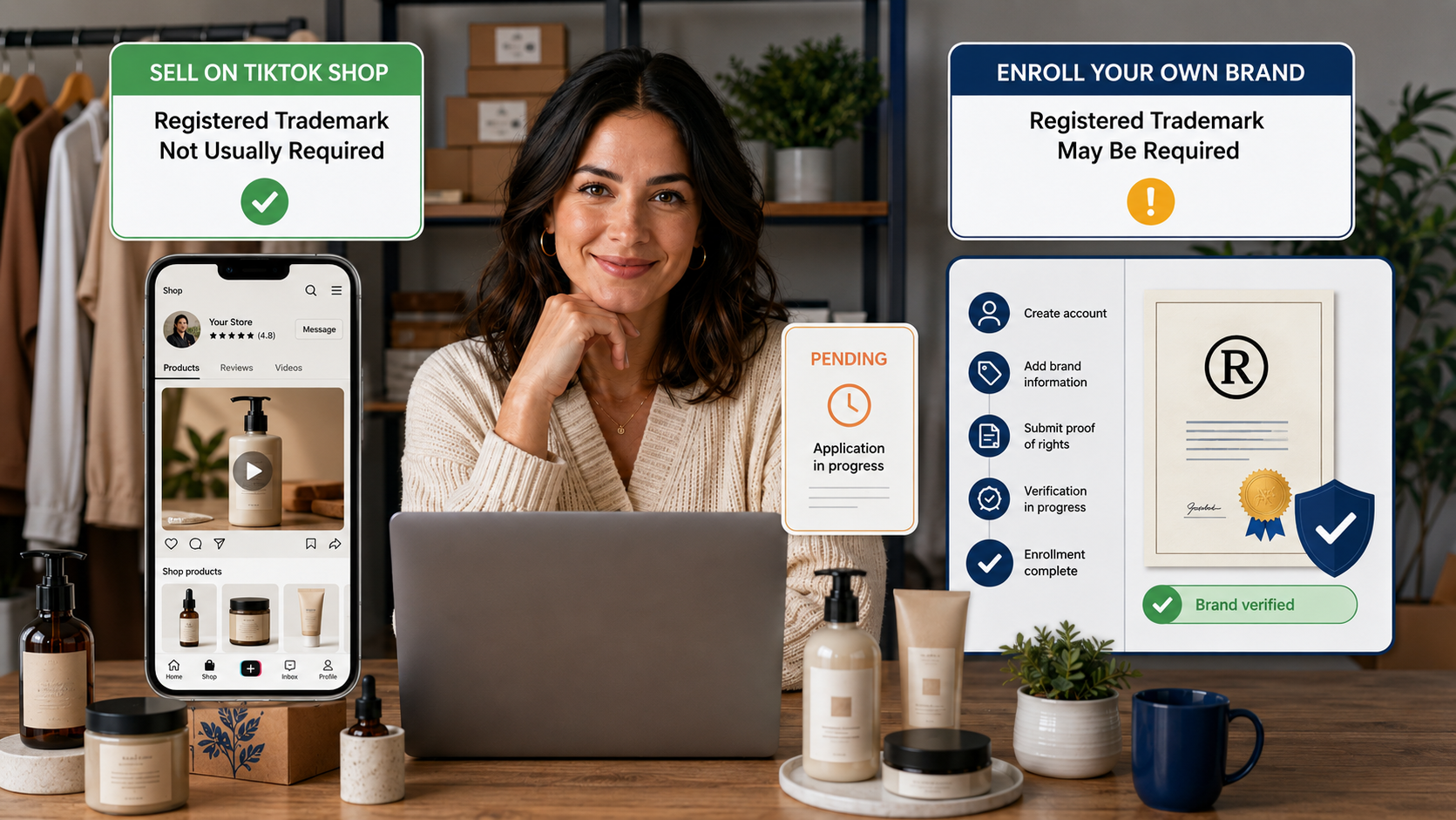
Do You Need a Trademark for TikTok Shop? Selling vs. Brand Enrollment
If you're starting a TikTok Shop, do you need to register your trademark first? Usually, no. You can sell eligible product
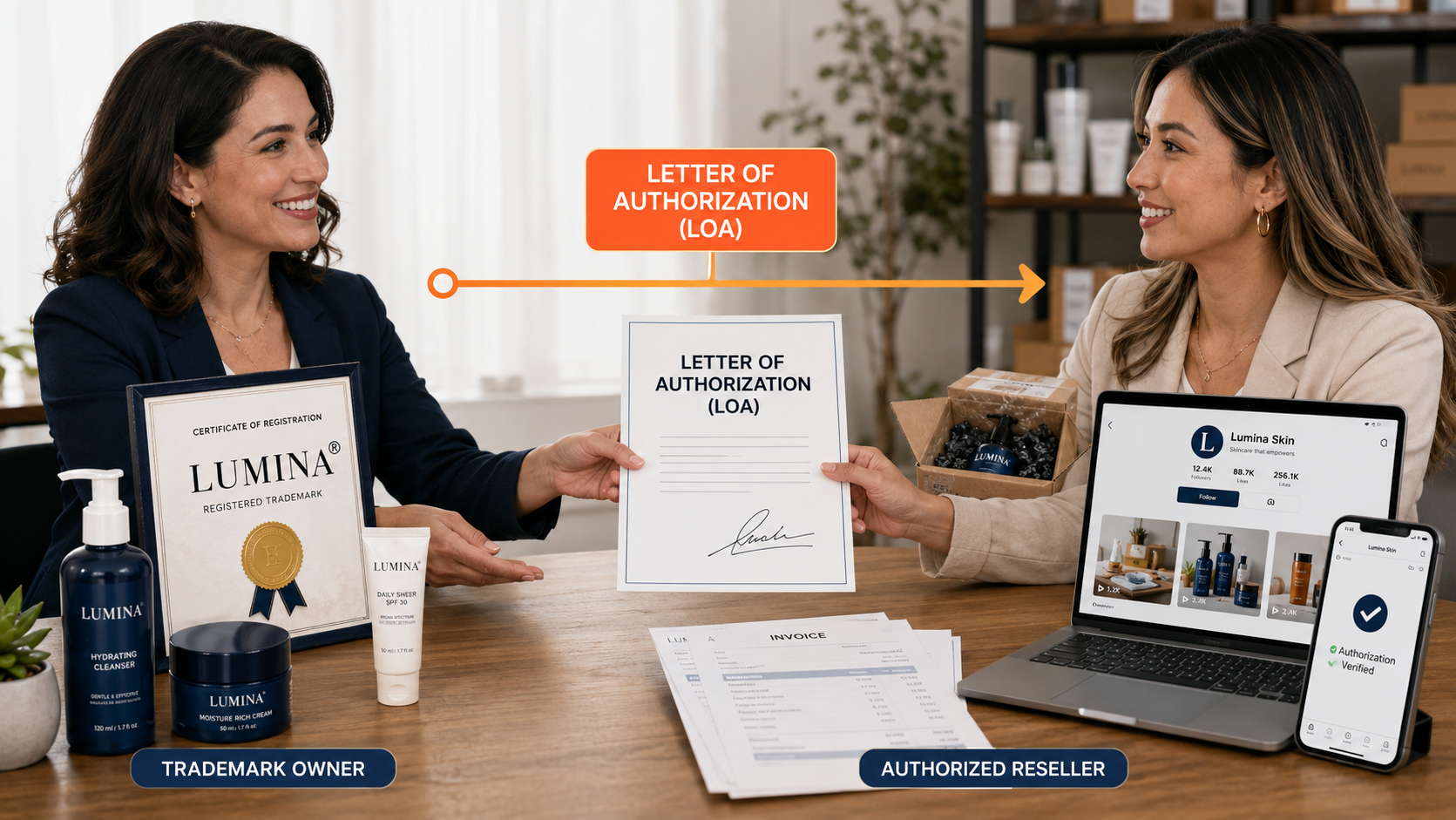
TikTok Shop Brand Authorization: Trademark Owners, Resellers and LOAs Explained
If you're starting a TikTok Shop, do you need to register your trademark first? Usually, no. You can sell eligible product