

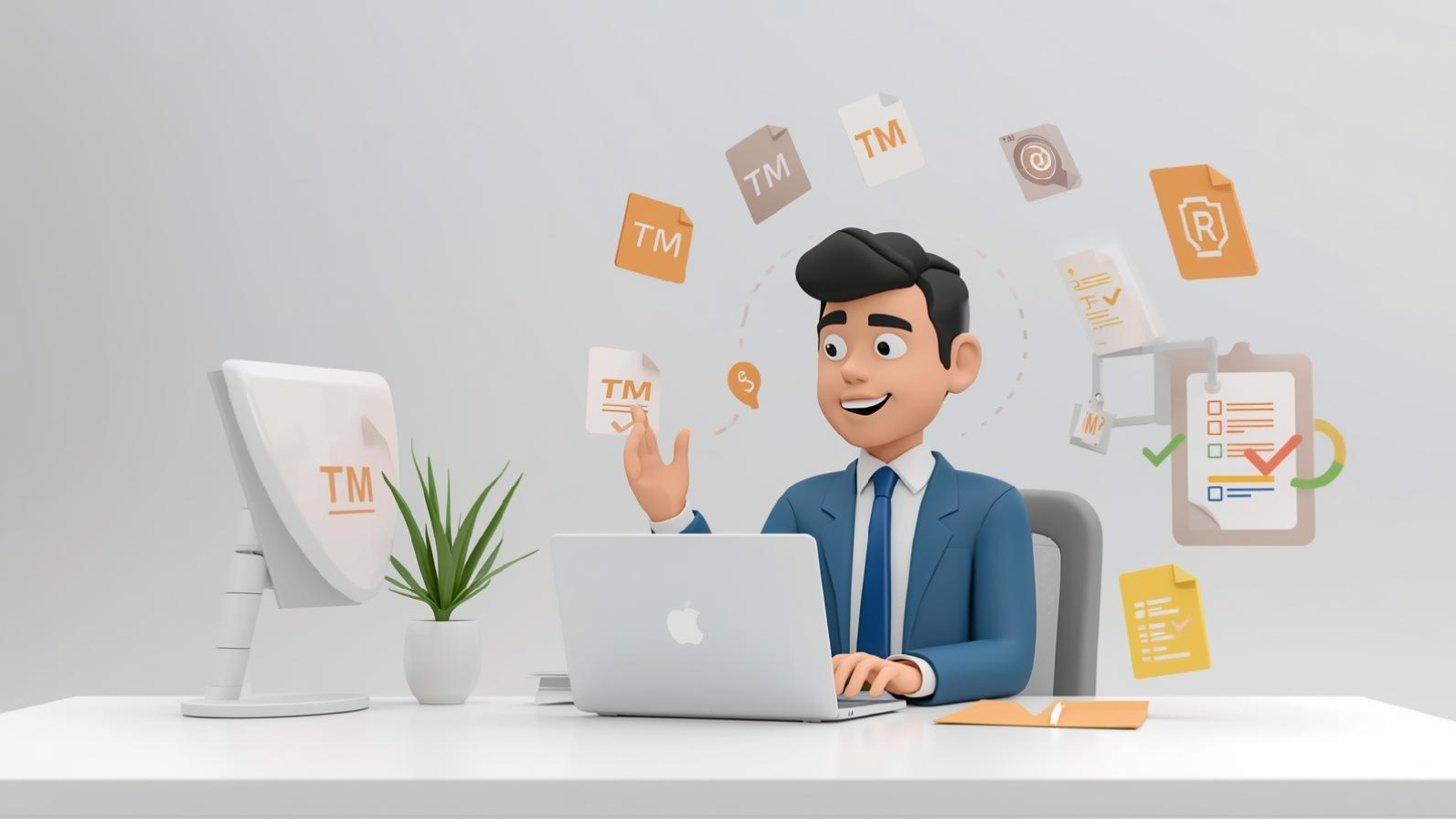
How to Register a Trademark in the US Without a Lawyer
Many business owners ask whether it is possible to register a trademark in the United States without hiring a lawyer. The short answer is: sometimes, yes. The longer answer is more nuanced, and understanding the limits upfront can save you time, money, and frustration later.
In this article we explain when self-filing is allowed, when it is not, and what risks you take on if you decide to handle a US trademark application on your own.
Who can file a US trademark without a lawyer
The USPTO allows US-domiciled individuals and companies to file their own trademark applications. If you live in the US and your business is legally based in the US, you are not required to use a US-licensed attorney.
However, foreign applicants cannot self-file. If you are based outside the US, the USPTO requires representation by a US-licensed trademark attorney. There is no workaround for this rule.
This distinction alone eliminates self-filing for a large portion of international businesses.
What “registering a trademark” actually involves
Filing a trademark is not just filling in a form and paying a fee. At minimum, you must correctly handle:
- Selecting the correct filing basis (use in commerce vs intent to use)
- Identifying the owner properly (individual vs company)
- Choosing the correct classes
- Drafting accurate goods and services descriptions
- Submitting acceptable proof of use, if applicable
- Responding to USPTO examiner objections
Most refusals and costly delays come from mistakes in these areas, not from the trademark name itself.
The biggest risk: choosing the wrong trademark
Before filing, you should conduct a clearance search. Many applicants skip this step or rely on a quick Google or AI search. That is risky.
The USPTO does not only look for identical names. It looks for marks that are:
- Phonetically similar
- Visually similar
- Similar in meaning
- Used for related goods or services
You may believe your name is unique, but if it sounds similar to an existing registered mark in a related industry, your application may be refused.
Once filed, USPTO fees are non-refundable, even if the application fails.
Goods and services: where most self-filers make mistakes
This is one of the most underestimated parts of the application.
Your trademark rights are limited to the goods and services you list. If your wording is too narrow, your protection is weak. If it is too broad, the USPTO will object or there may be confusing with other similar marks.
For example:
- Listing “software” without specifying its function often leads to refusal.
- Listing goods in the wrong class can require refiling and paying fees again.
- Adding items later is not allowed. You can only narrow, never expand.
This is where many self-filed applications become unusable even if they eventually register.
Examiner objections are common
About 60–70% of US trademark applications receive some type of office action (or objection, in plain English). This is normal.
Common objections include:
- Likelihood of confusion
- Descriptiveness
- Unclear goods and services
- Technical filing issues
Responding incorrectly or missing a deadline can abandon the application permanently. The USPTO does not remind you or give second chances.
Self-filing means you are fully responsible for legal arguments, deadlines, and procedural compliance.
When self-filing may make sense
Registering without a lawyer may be reasonable if:
- You are US-based
- Your mark is distinctive (not descriptive or generic)
- Your goods or services are simple and clearly defined
- You are comfortable reading USPTO rules and instructions carefully
You should also factor in time investment. Realistically, learning how to file a US trademark properly takes at least 15–20 hours. That includes understanding filing bases, classes, acceptable goods descriptions, specimen requirements, and how to respond if an examiner raises objections.
At that point, it becomes a cost analysis exercise. Ask yourself what one hour of your time is worth. If your effective hourly value is higher than the cost of professional assistance, self-filing may not actually be the cheaper option.
Self-filing only makes sense if you are prepared to invest the time, accept the learning curve, and understand that mistakes can cost more than hiring help from the start.
When self-filing is not recommended
Self-filing is usually a poor idea if:
- You are not based in the US
- Your mark is descriptive or borderline descriptive
- You plan to expand into multiple product lines
- You want strong, enforceable protection
- You are filing under intent-to-use and will later need to submit proof
At that point, small errors early in the process can limit or destroy the value of the registration later.
A practical middle ground
Some businesses want to reduce costs but still avoid major risks. In practice, this often means:
- Getting a professional trademark search before filing
- Confirming registrability and risk level
- Filing only once the strategy is clear
This approach avoids blind filing while still keeping costs predictable.
Final thoughts
Registering a trademark in the US without a lawyer is legally possible for US-based applicants, but it is not a simple administrative task. The USPTO process is technical, unforgiving, and structured around legal standards that are not intuitive.
A trademark is not just a registration certificate. It is a long-term business asset. How you file it determines how useful it will be when you actually need protection.
Understanding that difference before you file is the most important step of all.
Related Posts
Understanding Trademark Registration Cost and How It Affects Your Brand
Registering your trademark is crucial for protecting your brand. At Trademark Angel, we help you gain a clear understanding o

Your Guide Navigating Trademark Infringement on Social Media
In our digital age, social media has become an integral part of our daily lives. We use platforms like Facebook, Instagram, X
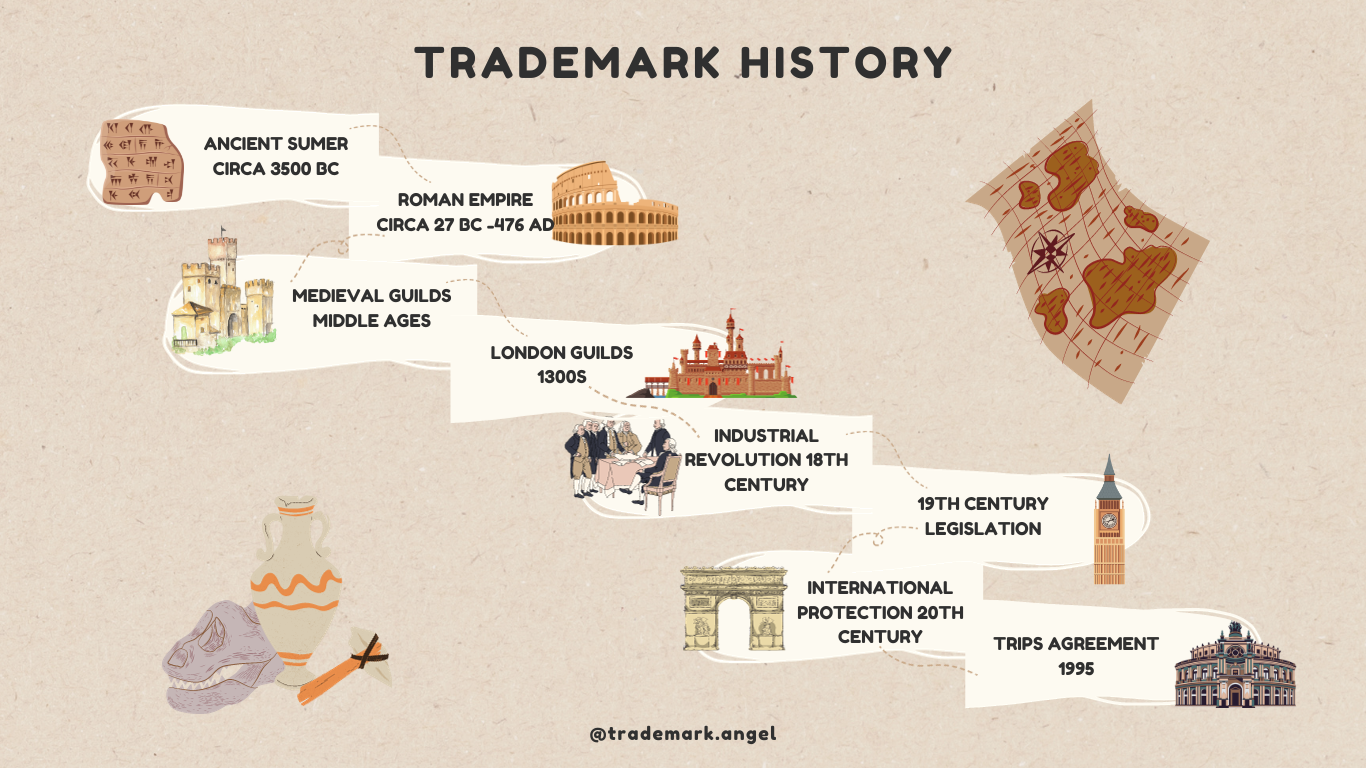
Discovering the Past: The Fascinating Journey of Trademarks
Have you ever wondered about the first trademark in history? How has the concept of branding evolved over the centuries? The

Demystifying Intellectual Property: Trademarks, Copyrights, and Patents
In the dynamic world of intellectual property, where ideas and innovations reign supreme, it's crucial to understand the dist