
How to Conduct a USPTO Trademark Search in 2026: A Step-by-Step Guide
Most people think a Trademark Search is a quick “type the name, see if it’s taken” exercise.
In real life, it’s closer to a risk check.
The USPTO database can show you what already exists in the U.S. federal system, but it will not tell you whether your mark is safe, strong, or likely to be approved. It shows records, not strategy.
In 2026, the process still starts the same way: you look for conflicts before you file. The difference is that the USPTO has moved to a modern, cloud-based Trademark Search system (replacing older tools many people still mention).
Below is the “step-by-step” process we recommend. This is not a tutorial on how to run search queries. It’s a practical guide to what a good search should accomplish, and what it cannot do.
Step 1: Be clear about what you are protecting
A USPTO Trademark Search is built around the concept of confusion.
That means the USPTO is not only looking for identical matches. It’s looking for marks that are close enough that customers might assume the brands are connected.
So first, define your mark in plain terms:
- Is it a word mark (brand name only)?
- Is it a logo?
- Is it both?
Then write down the core goods/services you plan to sell under that brand. This matters because “conflict” depends heavily on whether the goods/services are related.
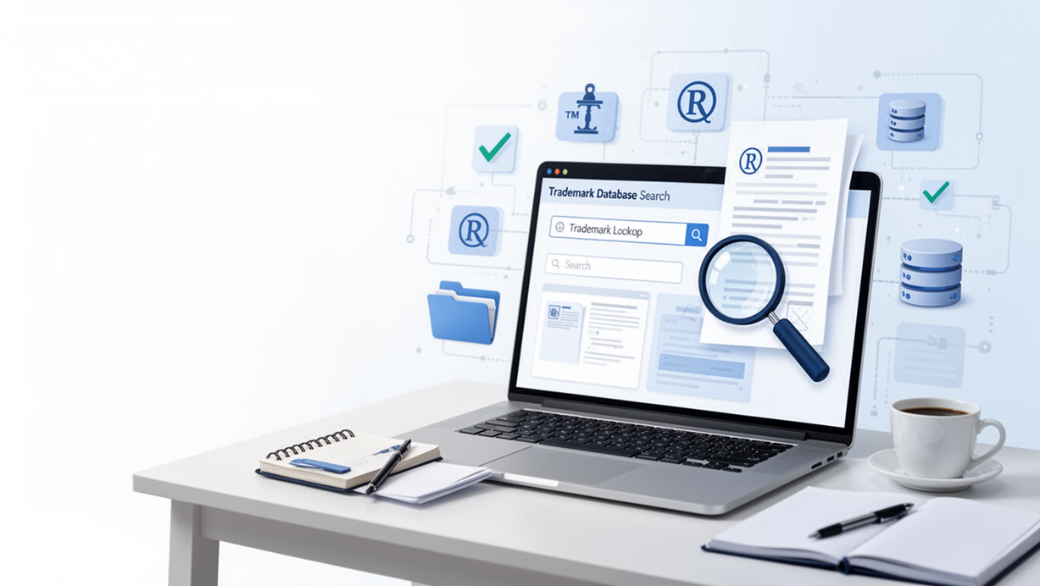
Step 2: Run a basic USPTO database check (and treat it as a starting point)
The USPTO’s free database is useful for catching obvious issues, especially when the same or very similar name is already used for the same type of product or service.
But there are predictable traps.
Even strong public tools can miss what actually causes refusals, because the risk is often in:
- Similar sound (phonetic similarity)
- Spelling variations
- Vowel substitutions
- Related goods/services (not identical)
The USPTO side is known for a broader “likelihood of confusion” approach than most applicants expect, and examiners often pay close attention to sound-alikes.
So yes, do the basic check, but don’t treat “nothing obvious came up” as a green light.
Step 3: Look at results the way an examiner thinks
This is where DIY searches go wrong. People see a list and assume it’s just “match/no match.”
Instead, when you review any similar mark, ask:
- How close is the overall impression? (look, sound, meaning)
- Are the goods/services related in the real world?
- Is the other mark live or dead?
- Is the similar part the “main” part of the mark?
This is not about being dramatic. It’s about being realistic. Many refusals happen because the applicant didn’t take “related goods” seriously enough, or didn’t consider phonetic similarity.
Step 4: Know what a free Trademark Search cannot tell you
This is the most important part, and it’s where expectations need to be reset.
Free USPTO searching cannot reliably tell you:
- whether your mark is too descriptive
- whether it’s weak and hard to enforce
- whether an examiner is likely to object based on the way you describe your goods/services
- whether small changes to the mark or goods wording would improve registrability
It also will not cover many real-world conflicts, such as:
- unregistered “common-law” rights
- business names
- domain usage
- marketplace and social media usage
So if your goal is “certainty,” a free database search cannot give you that.
Step 5: Don’t underestimate the time cost
One reason people rely on quick searches is that they assume a proper search takes 15 minutes.
In practice, a serious self-search can take 10-20 hours once you include learning how trademark confusion works, running variations, reviewing results properly, and second-guessing what you missed.
That time cost matters. If you run an e-commerce business, those hours often have a real price tag.
Step 6: Decide whether you need a comprehensive search (before you file)
A comprehensive trademark search is different from a public database check.
It is designed to catch:
- sound-alikes
- spelling variations
- “same idea” marks
- related classes and category overlap
- additional records and sources that a basic search doesn’t surface in a clean way
This is usually the right move when:
- you’re investing seriously in packaging, inventory, or ads
- you plan to scale the brand (not just test a product)
- you want to avoid a refusal and months of delay
- rebranding would be expensive or painful
It doesn’t guarantee approval, but it reduces surprises and helps you make smarter decisions while changes are still cheap.
Step 7: Turn search findings into a filing plan
A trademark search is only useful if it leads to a decision.
Depending on what comes up, your best next step might be:
- adjusting the name (even slightly)
- changing the logo emphasis
- narrowing or clarifying goods/services
- choosing a different mark entirely
- filing with a strategy that fits your risk level
The biggest mistake is not searching at all.
The bigger mistake is searching and then treating the results as a simple yes/no answer.
A trademark isn’t just about availability. It’s about survivability.
Want us to check it for you?
At Trademark Angel, we offer a free preliminary trademark search to help you determine whether a trademark looks registrable before you invest in filing, packaging, or branding decisions. We also comprehensive trademark search with the purchase of every trademark package.
Related Posts

State vs. Federal Trademark Registration: Which One Does Your Business Need?
When starting a business in the United States, you may discover that trademarks can be registered at both the state and feder

How Tech Startups Should Plan Trademark Protection for International Growth
A technology startup can become international remarkably quickly. A Canadian SaaS company can acquire U.S. customers without
When Should a Startup File a Trademark Application?
Most startup founders know they should eventually register their trademark. The harder question is when. Should you wai
How to Protect Your Tech Startup’s Brand Name Before You Launch
Launching a tech startup involves hundreds of decisions. You need to develop the product, test the market, build a website, a