

What is a trademark?
A trademark is a unique identifier, which can be a word, symbol, logo, tagline, or a combination of these, used in connection with products or services. Trademarks can also take unconventional forms such as smells, textures, sounds, or even specific colors. However, in today’s commercial landscape, the majority of trademarks are word marks, logos (symbols), or taglines (slogans).
The primary purpose of a trademark is to distinguish the goods or services of one individual or business from those of others in the marketplace. In essence, a trademark serves as the identity of your product or service, often referred to as a “brand” in business contexts. By providing a unique identifier, a trademark ensures that consumers can easily recognize and trust your offerings, setting them apart from competitors.
Additionally, trademarks play a critical role in safeguarding your brand and business. They prevent other individuals or companies from offering products or services that are confusingly similar to yours, thereby protecting your brand’s integrity and consumer trust. This legal protection ensures that your reputation and the goodwill associated with your brand remain intact.
A trademark also embodies the reputation of its owner. It represents the quality, reliability, and value that customers have come to expect from a specific provider. In this sense, it is not just a symbol or a word; it is a promise of consistency and excellence.
It’s essential to understand that owning a trademark doesn’t grant an absolute monopoly over a word, symbol, or phrase in all contexts. Instead, it provides exclusive rights over the association or “mental link” between that identifier and the goods or services you provide. This distinction is critical in ensuring fair competition while protecting intellectual property.
Think of a trademark as a shortcut for consumers, guiding them to the products or services they seek without confusion. It acts like a lighthouse, helping customers navigate through a sea of options and directing them toward the brand they know and trust.
Ultimately, a trademark is more than just a legal tool—it is a vital element of brand identity, consumer trust, and market differentiation.
If you would like to know whether you have a trademark and whether your trademark is registrable, please contact us!
Related Posts
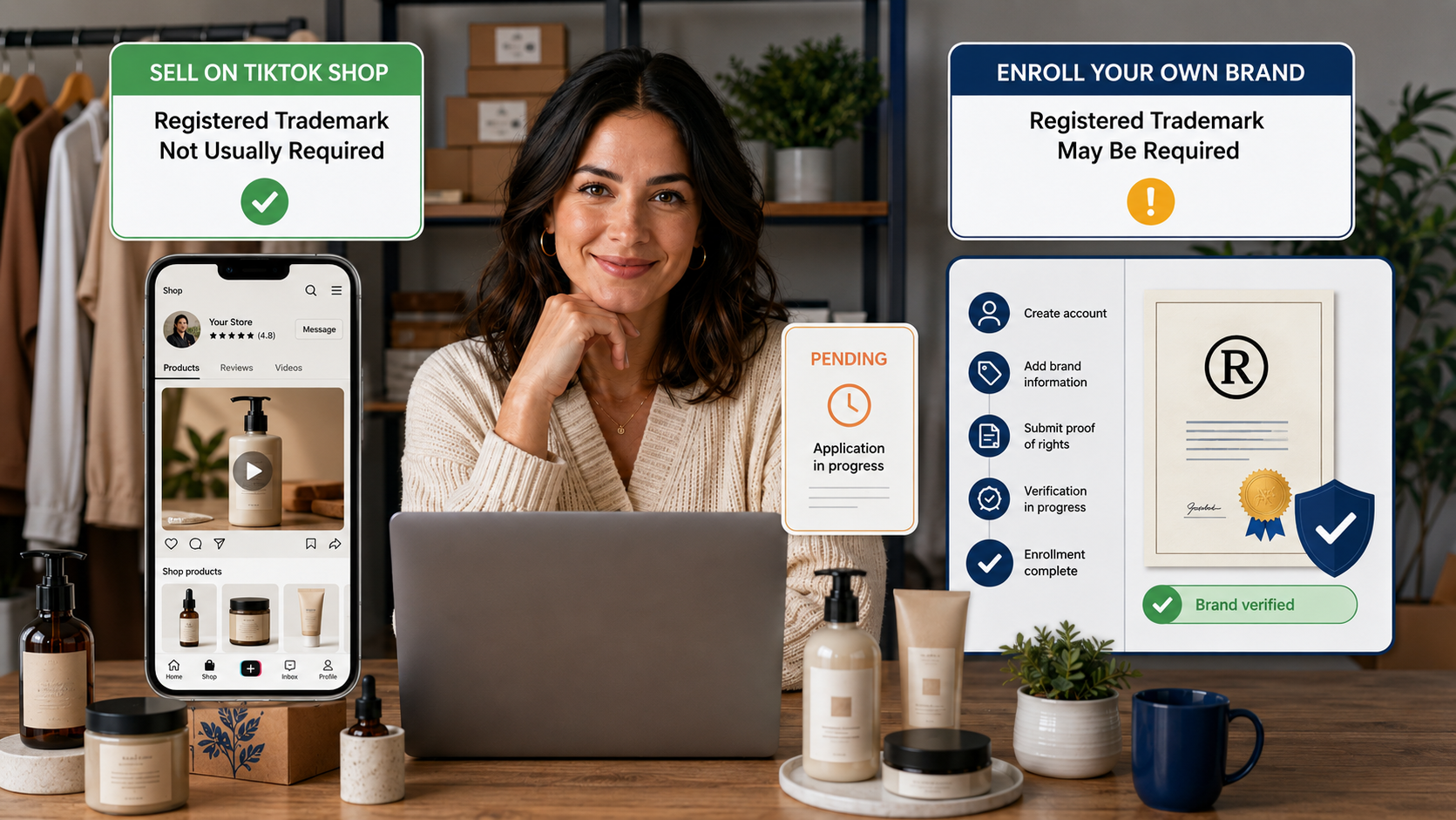
Do You Need a Trademark for TikTok Shop? Selling vs. Brand Enrollment
If you're starting a TikTok Shop, do you need to register your trademark first? Usually, no. You can sell eligible product
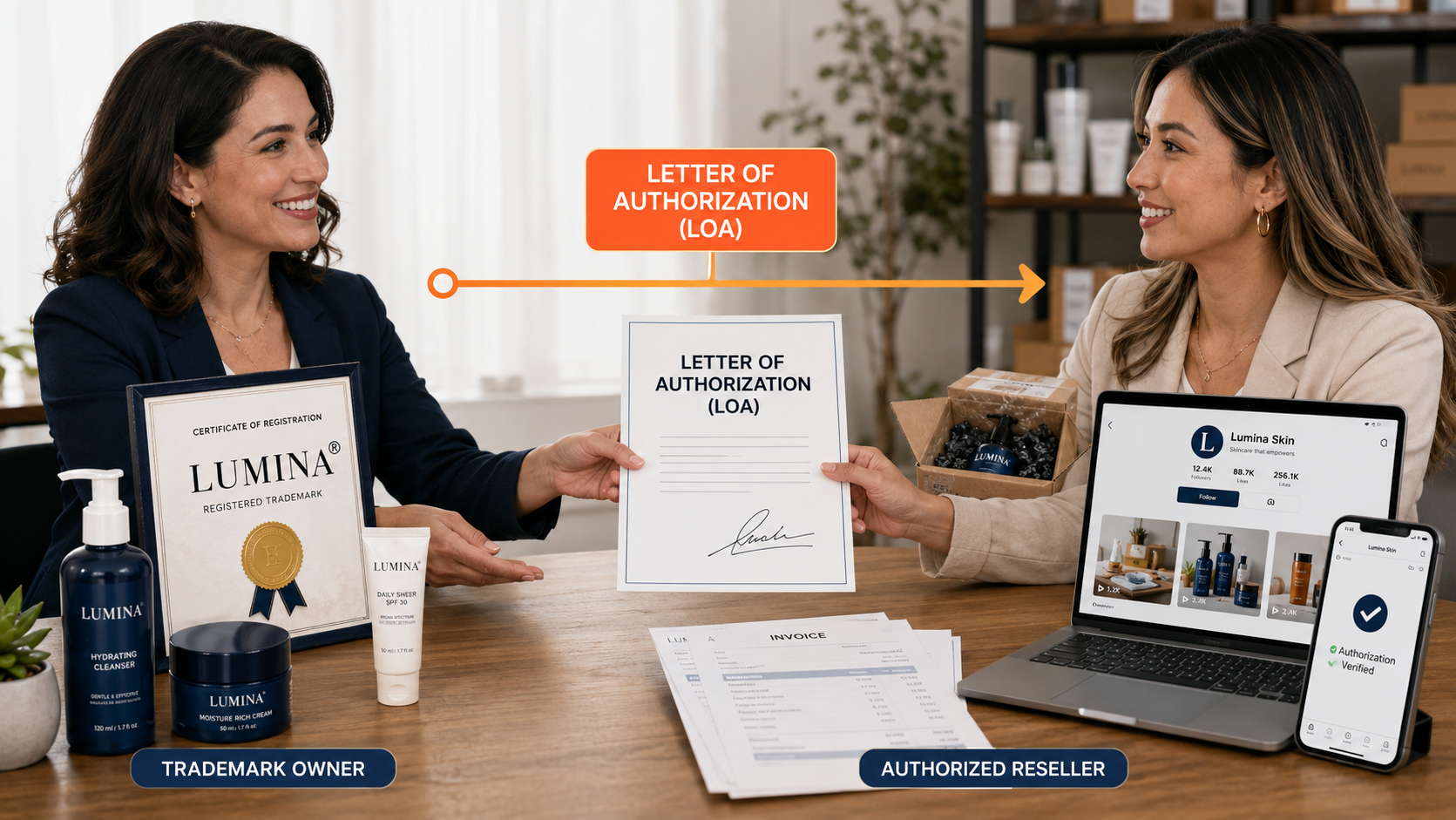
TikTok Shop Brand Authorization: Trademark Owners, Resellers and LOAs Explained
If you're starting a TikTok Shop, do you need to register your trademark first? Usually, no. You can sell eligible product

Is My Business Name Available to Trademark? How to Check Before You File
You have chosen a business name. Maybe you have already purchased the domain, created a logo, or started building your brand.
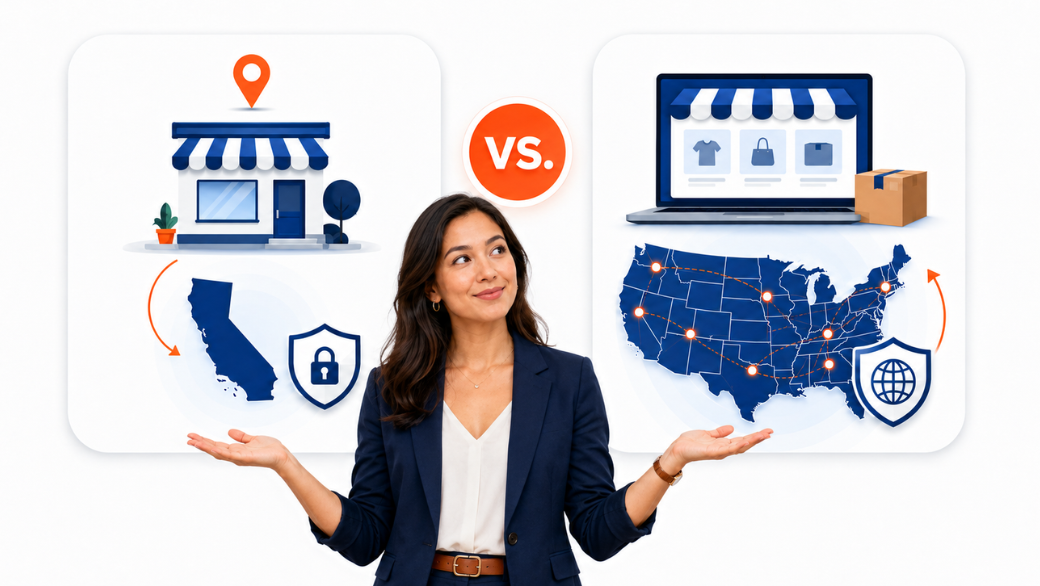
State vs. Federal Trademark Registration: Which One Does Your Business Need?
When starting a business in the United States, you may discover that trademarks can be registered at both the state and feder